AI Art Market 2025: What’s Selling, Who’s Buying & Why It Matters


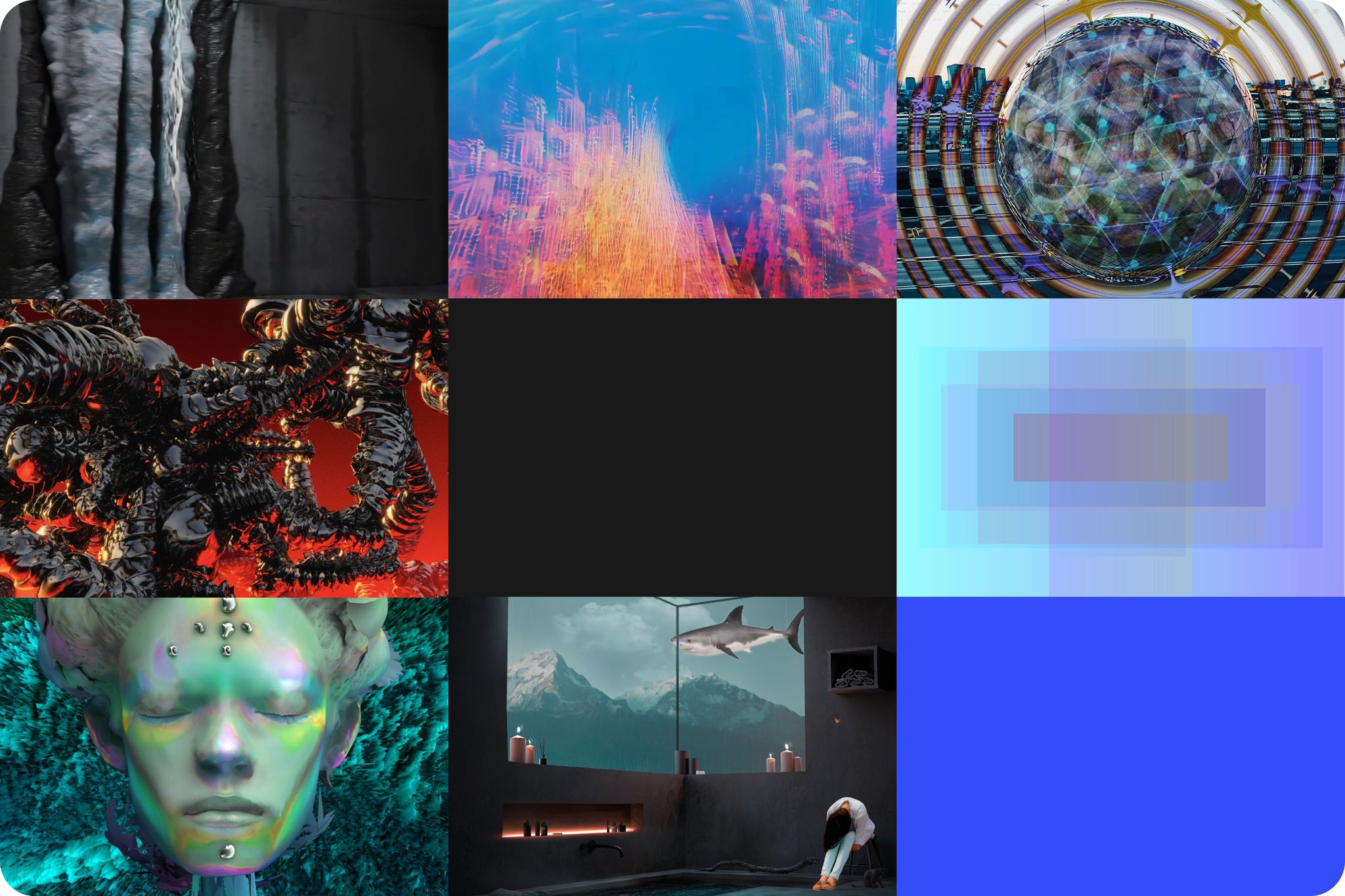
AI Art Market 2025: What’s Selling, Who’s Buying & Why It Matters
The AI art market has exploded into a $5.3 billion industry in 2025, with collectors and artists embracing this new frontier. Prestigious auction houses like Sotheby’s now feature AI-generated works, some selling for over $1 million, demonstrating the growing acceptance of this medium. Millennials, Gen Z, and tech investors are driving demand, drawn to its digital-first appeal and blockchain-backed ownership.
Key highlights:
- Market Growth: From $3.2 billion in 2024 to $5.3 billion in 2025, with a projected $40.4 billion by 2033.
- Top Categories: Generative visuals, interactive art (VR/AR), and hybrid pieces blending digital and physical elements.
- Collectors: Younger buyers value innovation and accessibility, while institutions like The Getty are adding AI works to their collections.
- Trends: Blockchain ensures authenticity, buyers prioritize quality over novelty, and eco-conscious practices are gaining traction.
Artists and collectors alike are shaping this rapidly evolving market by focusing on originality, verified ownership, and sustainable practices.
The Rise of AI in the Digital Art Market | June 17, 2025
What's Selling: Top AI Art Categories
The AI art market in 2025 is centered on three standout categories that merge technical skill with artistic expression. These categories are capturing the attention of collectors and institutions alike, offering a glimpse into why some AI artworks fetch high prices while others struggle to gain traction. Let’s break down each category and what makes them so compelling.
Generative and Concept-Based Art
AI-generated visuals and algorithmic designs dominate the AI art scene right now. These pieces reflect a unique partnership between human creativity and computational power, resulting in works that simply couldn’t exist through traditional methods.
Generative art uses advanced algorithms to create one-of-a-kind designs. Artists like Mario Klingemann and Refik Anadol are leading the charge, crafting pieces that explore intricate data patterns and mathematical relationships. The magic lies in how human intent guides machine execution, producing artwork that’s both technically advanced and conceptually layered.
Here’s an interesting stat: 53.6% of artists believe their role is essential in creating AI-assisted artwork. This highlights a critical aspect of generative art - it’s not about letting the AI do all the work. Instead, it’s about the artist making deliberate choices around parameters, datasets, and aesthetics, ensuring the final piece reflects their vision.
For collectors, the appeal is clear. Each generative piece captures a singular moment in the creative process. Unlike traditional prints or reproductions, generative art can offer endless variations while staying true to the artist’s original concept. This mix of uniqueness and reproducibility creates exciting opportunities for collecting and investing.
What’s more, the field is constantly evolving. Artists are experimenting with custom algorithms, training AI on niche datasets, and finding new ways to transform complex data into visual art. This constant innovation keeps collectors intrigued and ensures the category remains relevant.
Interactive and Immersive Art
Taking things a step further, interactive and immersive AI art is redefining how people experience creativity. By blending AI with technologies like VR and AR, these works turn viewers into active participants, offering a dynamic alternative to static visuals.
Interactive AI art responds to real-time inputs, such as viewer movements or facial expressions, creating personalized, ever-changing experiences. Some installations even generate new content based on audience interaction, resulting in multi-sensory environments that traditional art simply can’t replicate [3].
But it’s not just about the wow factor. These works delve into deeper themes like human-machine relationships, digital identity, and the nature of reality. For collectors, this means owning something that’s not only cutting-edge but also thought-provoking and impossible to replicate elsewhere.
Museums and galleries are taking notice, investing in the infrastructure needed to showcase these pieces, which signals confidence in their long-term value. On the flip side, the technical demands of collecting immersive art - like maintaining hardware or creating dedicated spaces - add an element of exclusivity. These challenges often enhance the appeal, as they ensure scarcity and preserve value.
Hybrid and Tokenized Artworks
Blending traditional mediums with AI elements, hybrid artworks offer a fascinating bridge between classical art techniques and modern technology. This category attracts collectors who appreciate the best of both worlds, making it more accessible than purely digital art.
For example, a hybrid piece might feature hand-painted elements set against an AI-generated background, or a sculpture informed by AI-driven design principles. This approach allows artists to retain the tactile presence of physical art while exploring digital possibilities. The result? Art that exists in both physical and digital forms, giving collectors something tangible with a layer of digital provenance.
Tokenized art takes this concept further by using blockchain technology to verify ownership and ensure ongoing royalties for artists. This system tackles two major challenges in the art world: proving authenticity and fairly compensating creators. Collectors gain secure, verifiable proof of ownership, while artists benefit from royalties on secondary sales.
Tokenization isn’t limited to digital works - it can also apply to physical and mixed-media pieces. By combining the reliability of blockchain with the familiarity of traditional art collecting, hybrid and tokenized works offer dual value: a physical object paired with digital proof of authenticity.
This blend of transparency and innovation is resonating with collectors who are becoming savvier about digital assets. They’re looking for art that not only holds aesthetic and conceptual value but also offers clear provenance and long-term potential. Hybrid and tokenized artworks meet those demands, securing their place in the future of the art market.
Who's Buying AI Art in 2025: The New Collectors
The art world is seeing a shift as tech-savvy, digitally native collectors approach art buying in ways that mirror their online habits and investment strategies. These emerging buyer groups are shaping the credibility and structure of the AI art market.
At the forefront of this change are younger generations, who are redefining what it means to collect art.
Millennials and Gen Z Buyers
Millennials and Gen Z are fueling the rise of AI art, bringing their digital expertise and values to the market. Having grown up immersed in technology, they regard AI-generated art as just as valid as traditional forms.
These younger collectors are adept at navigating online marketplaces, managing digital wallets, and using blockchain for verifying authenticity. They’re drawn to AI art for its innovative nature and individuality, often seeing their purchases as an extension of their personal identity and beliefs. Plus, the digital format makes sharing their collections on platforms like Instagram and TikTok effortless. Notably, 40% of art collectors believe more people will buy AI-generated art in the near future - a trend heavily influenced by these younger demographics.
Another appeal lies in AI art’s accessibility. With lower entry barriers and transparent pricing, it allows young buyers to build meaningful collections without requiring the hefty budgets or insider knowledge often associated with traditional art markets.
Tech Investors and Crypto Enthusiasts
Another key group driving the AI art market includes technology investors and cryptocurrency enthusiasts. For them, AI art represents a perfect blend of creativity, technology, and digital ownership.
These buyers see AI art as both a cultural statement and a financial opportunity. They appreciate the technological innovation behind it and are already familiar with digital assets through their cryptocurrency ventures. This familiarity makes transitioning to collecting digital art a natural step.
Blockchain technology plays a significant role for this group, ensuring verified authenticity and transparent ownership of digital works. Many of these collectors are focused on building portfolios that emphasize long-term value, seeking pieces that are both technologically advanced and artistically compelling. This approach has helped solidify the AI art market.
Beyond individual buyers, institutions are also stepping into the AI art space, further elevating its status.
Institutional Collectors and Galleries
Museums, galleries, and other institutions are increasingly embracing AI art, helping to validate it as a legitimate medium and driving demand among skeptics.
Major institutions are making bold moves. For example, the Getty Museum added AI-generated works to its permanent collection in 2024, signaling that these pieces deserve the same consideration as traditional art forms.
Institutions are drawn to AI art for more than its cultural significance. Digital works offer innovative ways to engage audiences, especially younger visitors who expect interactive, tech-driven experiences. They also expand global accessibility through digital exhibitions and virtual reality installations.
For galleries, AI art presents both an exciting curatorial challenge and a business opportunity. As younger collectors continue to shape demand, galleries that build relationships with AI artists early on are positioning themselves as leaders in the field.
Museums and galleries are also developing new criteria for acquiring AI art, focusing on technical innovation, artistic quality, and historical importance. They’re investing in storage and conservation systems tailored to digital works, while creating frameworks for displaying interactive pieces. These efforts highlight their commitment to embracing art in the digital age.
sbb-itb-4e84554
Market Trends Shaping AI Art in 2025
The AI art market in 2025 is undergoing a transformation, driven by three major trends that reflect advancements in technology and shifting collector preferences. These trends are redefining how digital art is authenticated, valued, and marketed, setting the stage for a new era in the art world.
Emphasis on Transparency and Provenance
Trust is becoming the cornerstone of the AI art market, with blockchain and AI verification tools playing a pivotal role. Collectors now expect clear records of provenance and ownership before making any purchases.
Blockchain technology ensures that ownership and transaction histories are tamper-proof, providing a reliable way to verify authenticity. Meanwhile, AI tools complement blockchain by automating the verification process, quickly identifying any discrepancies that might suggest fraud. Together, these technologies are helping to alleviate buyer concerns about the authenticity of digital art.
However, the industry still faces challenges, particularly around copyright disputes concerning AI training data. These ethical and legal debates remain unresolved and continue to shape the conversation around AI-generated art.
Moving Beyond NFTs to Refined Digital Craftsmanship
As the initial excitement around NFTs has waned, the focus has shifted toward high-quality digital craftsmanship. The speculative frenzy of the NFT boom in 2021–22 has given way to a more discerning market, where collectors prioritize artistic merit and innovation.
Auction trends reflect this shift. While the broader NFT market has cooled, sales of AI and generative art at auctions have reached new highs. Collectors are now drawn to works that showcase originality and thoughtful execution rather than simply being tokenized.
Leading auction houses and galleries are adapting by curating AI art that emphasizes craftsmanship and conceptual depth. This evolution signals a maturing market, with 40% of collectors predicting that interest in AI-generated art will grow - provided the works meet higher standards for creativity and quality.
Prioritizing Eco-Friendly Practices
Environmental concerns are reshaping the AI art landscape, pushing artists and platforms to adopt greener technologies. The criticism of blockchain's energy consumption has led to a search for more sustainable options.
Artists are increasingly turning to low-energy AI models and eco-conscious blockchain networks. Many platforms now require creators to demonstrate sustainable practices before listing their works, making environmental responsibility a key selling point for collectors who prioritize ethical consumption.
This focus on sustainability isn't just about meeting regulations - it's becoming a competitive edge. Collectors are actively seeking out artists who can prove they’re committed to responsible creation methods.
These trends are transforming the way AI art is created and sold. By embracing transparency, prioritizing artistic quality, and adopting sustainable practices, artists and platforms are positioning themselves for success in this evolving market. Together, these changes highlight the growing demand for accountability, craftsmanship, and eco-consciousness in the world of AI-generated art.
How to Sell AI Art in 2025
As the AI art market surges toward an estimated $5.3 billion by 2025, artists have a golden opportunity to carve out their space. But selling AI art successfully takes more than just talent - it’s about presenting your work strategically, building trust, and using data to make informed decisions. Here’s how artists are thriving in this evolving landscape.
Build Your Digital Storefront
Your digital storefront is your gateway to connecting with collectors. It’s not just a place to display your work - it’s where you establish credibility and tell your story. A polished, professional storefront can make all the difference in convincing buyers of the value of your art.
Leading AI artists craft storefronts that highlight their creative process, blending human ingenuity with AI tools. High-quality visuals and detailed presentations are key to meeting collector expectations. Solutions like Digital Original make it easier for artists to set up shop without needing technical expertise, allowing them to focus on their art.
By going direct to collectors, artists can bypass intermediaries and maximize their earnings. With 29% of digital artists now incorporating AI into their creative process, competition is fierce. A compelling storefront that shares your artistic journey and vision can set you apart and draw in serious collectors.
Once your storefront is ready, the next step is ensuring buyers feel confident in their purchases through verified ownership.
Use Verified Digital Ownership
In today’s AI art market, transparency and authenticity are non-negotiable. Blockchain-backed certificates of authenticity have become the gold standard, offering buyers peace of mind about provenance and ownership. These digital certificates not only confirm creation dates but also ensure artists receive royalties from future resales.
This verification process reduces risk for buyers, making them more willing to pay premium prices. Collectors know that authenticated works with a clear ownership history tend to hold their value better in secondary markets. As AI and data analytics increasingly influence art valuation and forecasting, this layer of trust becomes even more critical [3].
Use Data to Optimize Sales
With a verified digital presence in place, you can leverage data to fine-tune your sales approach. Discussions about AI art have grown by 50% in recent years, creating a wealth of insights about collector preferences and emerging trends.
Track metrics like viewer engagement, collector demographics, and purchase behaviors to pinpoint your target audience. Understanding factors like age, location, and price sensitivity can help you tailor your offerings. Experiment with different price points to strike the perfect balance between perceived value and sales conversions.
Art market strategist Kerstin Gold highlights the evolving landscape: "Our future will undoubtedly see a shift in ownership preferences, which will most likely also have an impact on how art is collected and owned. This does not necessarily undermine the value of physical art; but it introduces a broader acceptance of digital and dual ownership".
By analyzing sales data, you can also identify which types of AI art are in demand. With AI art exhibitions growing by 25% over the past three years, tracking trends - whether it’s generative art, interactive installations, or hybrid works - can help you align your portfolio with market needs.
However, while data can guide your strategy, staying true to your artistic vision is essential. Collectors aren’t just buying AI-generated visuals - they’re investing in your creativity, your ability to shape technology into meaningful art, and the unique perspective you bring to the table. It’s worth noting that 53.6% of artists feel their personal input is crucial in creating AI-assisted works. Let that authenticity shine through in everything you create.
Key Takeaways
The AI Art Market is Growing
By 2025, the AI art market is projected to hit $5.3 billion, growing at an impressive 28.9% annually and making up 5% of the contemporary art market. Major auction houses are catching on, with 35% of fine art auctions now featuring AI-created works, and institutions like The Getty are adding AI pieces to their collections.
This surge highlights the need for artists and collectors to prioritize quality and transparency as the market matures.
Success Requires Quality and Transparency
For collectors, the focus has shifted from novelty to lasting value and authenticity. Artists producing concept-driven, high-quality work and using verified digital ownership tools are commanding higher prices.
In fact, 53.6% of artists believe their personal input is key in creating AI-assisted works. The most successful creators see AI as a partner, not just a tool, and they document their creative process while offering detailed ownership histories. This approach helps their work stand out in a space often flooded with mass-produced content.
As the market evolves, maintaining trust and adapting to change are critical for building a lasting reputation.
Stay Current with Market Changes
The AI art world is changing fast, with younger, tech-savvy collectors like Millennials and Gen Z leading the charge. These buyers value innovation, digital-first experiences, and hybrid art forms that blend AI with VR and AR. Eco-friendly practices are also becoming a key factor in purchasing decisions.
AI is also reshaping how art is valued and sold, with tools like data analytics improving market forecasting and provenance verification [3].
Artists who combine exceptional craftsmanship, transparency, and a keen awareness of market trends are carving out sustainable careers in this ever-evolving field.
FAQs
How does blockchain technology ensure authenticity and verify ownership of AI-generated art?
Blockchain technology plays a key role in verifying the originality and ownership of AI-generated art. By using a secure, transparent, and tamper-resistant ledger, it ensures that each piece of art can be tied to a unique digital token, often referred to as an NFT. This token keeps a record of the artwork's creation, ownership history, and transaction details directly on the blockchain.
This approach makes forgery nearly impossible and allows collectors to quickly confirm the origin and legitimacy of a piece. For artists, it provides a reliable way to prove authorship and even earn royalties from future sales. This system adds a layer of trust and value to the growing AI art market.
Why are Millennials and Gen Z investing in AI art, and how are their tastes different from traditional art collectors?
Millennials and Gen Z are gravitating toward AI art because it fits seamlessly with their tech-driven lifestyles and appetite for innovation. They appreciate the way it merges creativity with cutting-edge technology, offering them the chance to own art that feels like a glimpse into the future. Plus, AI art is often more affordable and easier to access, with many pieces available online at prices that are lower than traditional artwork.
For these younger generations, the appeal goes beyond prestige or historical value. Instead, they focus on personal connections - choosing pieces that align with their values or speak to their individuality. Bold, experimental designs and themes like sustainability or social justice resonate deeply with them. On top of that, the ability to share digital art on social media or display it in virtual spaces makes it even more attractive to this tech-savvy crowd.
How are eco-friendly practices shaping the AI art market, and why should collectors and artists care?
As the AI art market grows, eco-friendly practices are taking center stage, reflecting the shared commitment of artists and collectors to sustainability. These efforts include choosing energy-efficient AI tools, using carbon-neutral platforms, and focusing on digital art, which often has a smaller environmental footprint compared to traditional physical mediums.
For collectors, supporting artists and platforms that prioritize sustainability not only aligns with global environmental goals but also adds a meaningful dimension to their acquisitions. Meanwhile, artists who embrace green practices can build stronger reputations and connect with an audience that values environmental awareness. Together, these choices are shaping a more responsible and trustworthy AI art market, paving the way for its sustainable growth.


