The End of Gatekeeping: How Digital Art Storefronts Empower Both Artists and Buyers


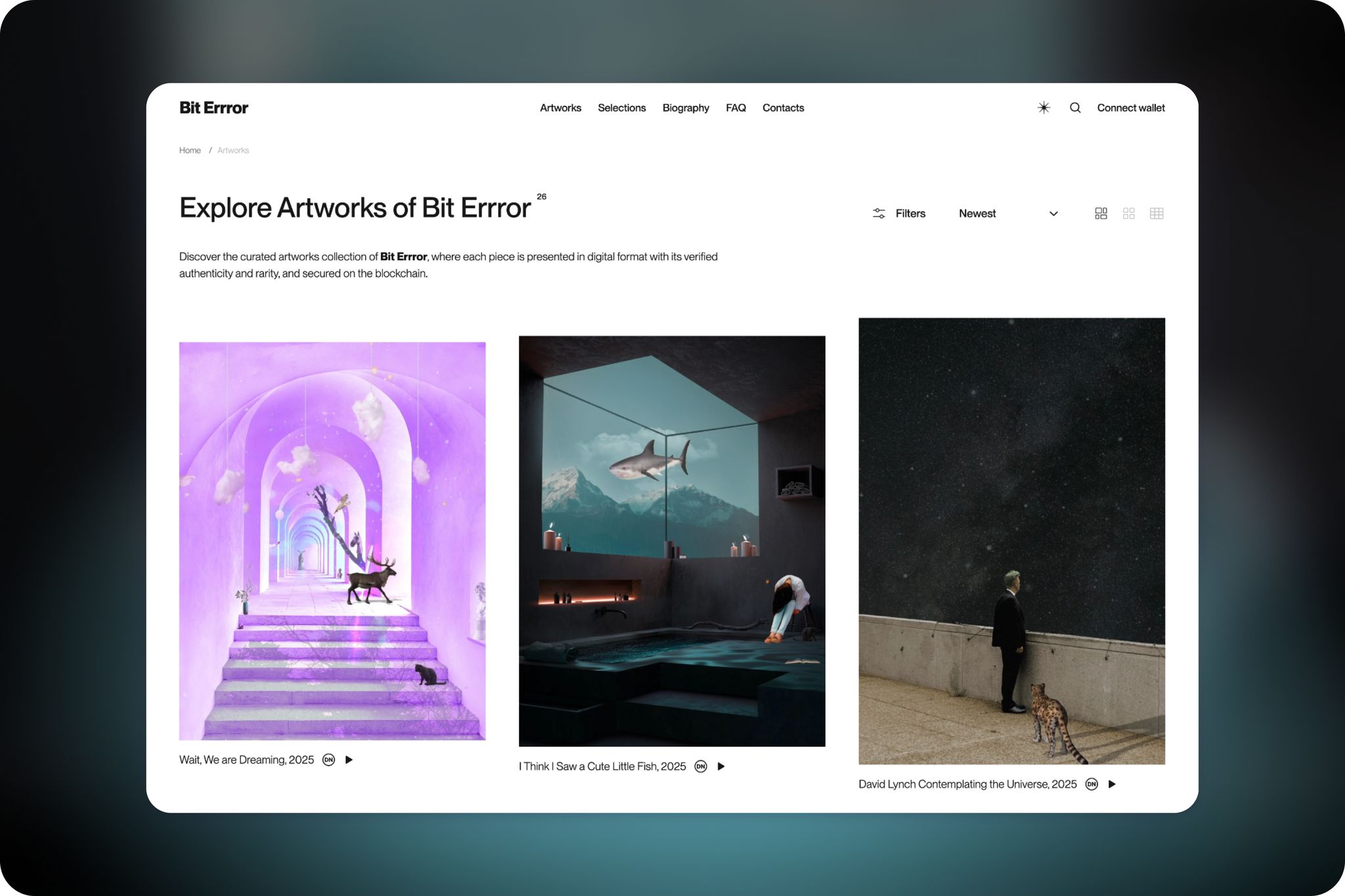
The End of Gatekeeping: How Digital Art Storefronts Empower Both Artists and Buyers
Digital art storefronts are reshaping the art world by cutting out middlemen and giving artists and buyers more control.
Here’s how:
- Artists keep up to 95% of sales compared to 40–50% commissions in galleries.
- Buyers gain transparent pricing and verified ownership through blockchain technology.
- Artists can set their own prices, sell directly, and earn royalties on resales.
- Buyers save money, interact directly with creators, and even explore fractional ownership options.
This shift levels the playing field, making it easier for new artists to sell and for collectors - especially Gen Z - to access art online. With online art sales now driving 18% of the global market, these platforms are creating a more open and accessible space for everyone.
What Gatekeeping Looks Like in the Traditional Art Market
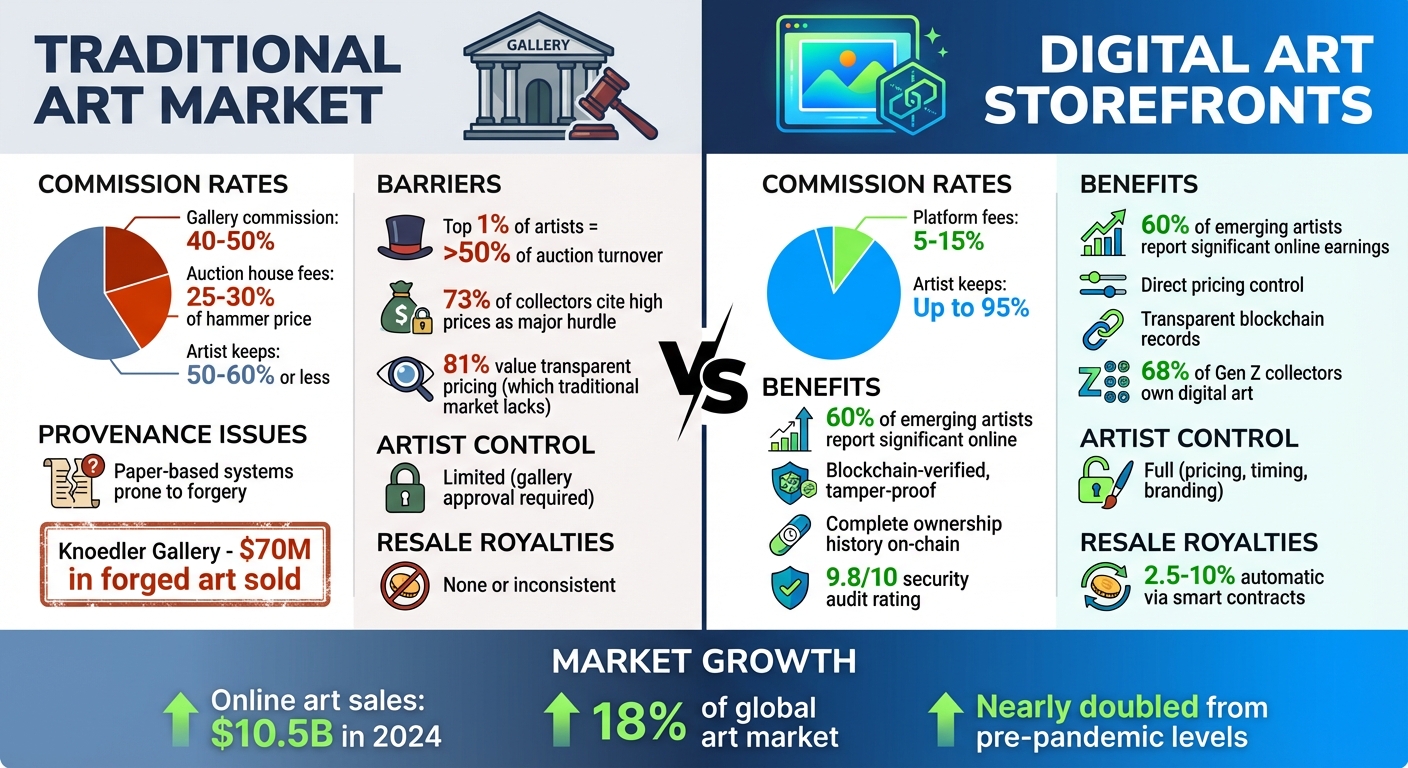
Traditional Art Market vs Digital Art Storefronts: Commission Rates and Artist Benefits Comparison
The traditional art market has long been dominated by galleries, auction houses, and dealers, who act as gatekeepers controlling which artists gain exposure and which collectors gain access. While these intermediaries facilitate sales, they also create significant barriers for emerging artists and first-time buyers. These challenges have opened the door for digital art platforms to challenge outdated and opaque practices.
High Commissions and Limited Opportunities
Traditional galleries often take a hefty 40–50% commission from the sale price of an artwork. Auction houses layer on additional costs, charging both sellers and buyers through commissions and premiums, which can push transaction costs to 25–30% of the hammer price. For artists, breaking into galleries is no easy feat - it typically requires an already established reputation. This exclusivity leaves many talented newcomers on the sidelines. With limited space and carefully curated artist rosters, galleries onboard only a few new artists each year. As a result, the market remains highly concentrated, with the top 1% of artists accounting for more than half of auction turnover.
For collectors, the barriers are just as daunting. High prices and opaque fee structures can be intimidating, especially for first-time buyers. In fact, 73% of collectors cite high prices as a major hurdle, while 81% say they value transparent pricing online. This lack of clarity erodes trust and makes the market feel inaccessible to newcomers.
Unclear Provenance and Authenticity Problems
Transparency issues extend beyond pricing. The traditional art market relies heavily on paper-based provenance systems, including invoices, certificates of authenticity, and catalogues raisonnés. These documents are prone to loss, forgery, or mismanagement, making it difficult to verify an artwork’s ownership history without costly expert appraisals.
The risks are significant. Take the infamous Knoedler Gallery scandal, where over $70 million worth of forged artworks were sold over a 15-year period. When authenticity is called into question, an artwork’s value can plummet overnight, shaking trust across the entire market. For artists, fragmented provenance systems can mean lost royalties and unpredictable resale values. These longstanding issues highlight the pressing need for modern, transparent systems that can protect both artists and collectors from such pitfalls.
How Digital Art Storefronts Empower Artists
Digital art storefronts are transforming the way artists sell their work, replacing traditional galleries with platforms that let creators keep up to 95% of each sale. These platforms allow artists to sell directly to collectors, cutting out gatekeepers and giving them full control over their pricing, sales, and long-term income. Let’s break down how these benefits translate into direct control, automatic royalties, and mobile-friendly storefronts.
Direct Sales and Full Control
With digital storefronts, artists have the freedom to set their own prices, decide when to sell, and maintain complete ownership of their work. There’s no need to wait for gallery approvals or sign binding agreements. Take Ukrainian muralist Volodymyr Manzhos (Waone Interesni Kazki) as an example. In 2025, he launched his own storefront and sold his piece "Victory" for $24,000 USDC through a live auction powered by smart contracts. The process was seamless, with instant payouts and no middlemen involved.
Artists can also tap into their social media following to drive traffic directly to their storefronts. Solutions like Digital Original make it easy for artists to turn that traffic into sales - no coding skills required.
Automatic Royalties Through Smart Contracts
Blockchain technology and smart contracts are game-changers for artists, ensuring they earn 2.5–10% in royalties automatically every time their work is resold. This creates a steady income stream tied to the value of their art. For instance, if a piece initially sold for $1,000 is later resold for $10,000, the artist instantly receives their royalty share.
This feature has become a major source of income for creators, with over 60% of emerging artists reporting significant earnings from online platforms. Smart contracts on solutions like Digital Original are also highly secure, with a 9.8/10 audit rating by Blaize, ensuring transparent and tamper-proof transactions.
Custom Storefronts That Work on Any Device
No-code tools now allow artists to build fully branded online galleries that look great on phones, tablets, and desktops. In 2025, artist Solimán López launched his own storefront to showcase his series to a global audience - all without writing a single line of code.
With 68% of Gen Z collectors already owning digital art and mobile platforms like Instagram and TikTok driving discovery, having a responsive storefront is crucial. These tools let artists manage their portfolios, update listings, and control access - whether public or private - through an easy-to-use dashboard. This means collectors can browse and buy art anytime, anywhere, on any device.
sbb-itb-4e84554
What Buyers Gain from Direct-to-Artist Platforms
Purchasing art through digital storefronts offers collectors three standout benefits: verified authenticity, lower prices, and direct connections with artists. These advantages challenge the traditional gallery model, where provenance can be murky and hefty markups inflate prices. Let’s dive into how these platforms are reshaping the art-buying experience.
Clear Provenance and Verified Authenticity
Blockchain technology ensures that every artwork’s history is permanently recorded and tamper-proof, eliminating the need for unreliable paper documentation. On storefronts powered by Digital Original, buyers can see the complete history of a piece - who created it, previous owners, and every transaction - stored securely on-chain. This transparency builds trust, giving collectors confidence in their purchases.
A great example of this is the Ukrainian Fund of Digitized Art (UFDA), which collaborated with Digital Original in 2024–2025 to create a storefront showcasing verified, tokenized Ukrainian art.
"Our future will undoubtedly see a shift in ownership preferences, which will most likely also have an impact on how art is collected and owned. This does not necessarily undermine the value of physical art; but it introduces a broader acceptance of digital and dual ownership. Digital Original provides here a seamless solution, inviting galleries, artists, and collectors to become involved in this transformative journey." - Kerstin Gold, Art market strategy advisor, author of the ART+TECH Report
Lower Costs and Direct Artist Access
By removing galleries and auction houses from the equation, collectors save money while artists take home a bigger share of the profits. Traditional intermediaries often charge commissions of 40–50%, driving up the final price for buyers. In contrast, solutions like Digital Original charge much lower fees - typically between 5–15% - allowing artists to keep up to 95% of their earnings and price their work more affordably.
Beyond cost savings, these platforms create opportunities for direct interaction. Buyers can ask artists about their techniques, request custom pieces, or learn the story behind an artwork - connections that are often missing in conventional gallery transactions. This personal touch enriches the buying experience and strengthens the bond between creator and collector.
Fractional Ownership Options
Tokenization and smart contracts have introduced fractional ownership, making high-value artworks more accessible. Instead of requiring a large upfront investment, multiple collectors can co-own shares of a single piece. This opens the door for emerging collectors to invest in works by sought-after artists without stretching their budgets.
Fractional ownership also adds flexibility. Collectors can trade their shares on secondary markets, offering liquidity that traditional art ownership lacks. With 63% of Gen Z collectors already embracing digital art in 2024–2025, these fractional models are lowering barriers and attracting a new generation of art investors.
3 Common Mistakes Artists Make with Digital Storefronts
Even the best platform can fall short if artists overlook these key steps. These missteps can hurt sales, damage buyer trust, and leave potential recurring revenue on the table. The good news? They’re avoidable with a little planning and attention to detail.
Skipping Provenance Tracking
Provenance tracking, especially using blockchain, is a game-changer for building collector confidence. Without a clear and verifiable ownership history, buyers may hesitate, questioning the artwork's authenticity. Many artists shy away from this step, assuming it’s too complicated. However, platforms today simplify the process by minting full metadata automatically. This creates a tamper-proof record that follows your artwork through every resale, eliminating the need for old-school paper certificates and ensuring collectors can trust its authenticity.
Not Setting Up Smart Contract Royalties
Smart contract royalties are a must for artists looking to secure long-term income. Skipping this step means missing out on earnings from secondary sales - money that could add up significantly over time. These contracts ensure artists receive a percentage (typically 5–10%) every time their work is resold. Unfortunately, many artists either aren’t familiar with this feature or rely on marketplace defaults that don’t enforce royalties. By setting your royalty percentage during the minting process and choosing platforms that support on-chain royalties, you can create a steady stream of passive income from future sales.
Ignoring Mobile Optimization
If your digital storefront isn’t mobile-friendly, you’re likely losing out on a growing audience of mobile-first buyers. Many collectors now use their smartphones to browse and buy art, especially through platforms like Instagram and TikTok. A storefront that’s clunky on mobile or designed only for desktop users can turn potential buyers away. To stay competitive, ensure your site has a responsive design, fast-loading images, and easy checkout options tailored for mobile devices. Features like one-tap payments and mobile-compatible payment methods can make all the difference in capturing sales from today’s on-the-go collectors.
Key Takeaways: How Digital Storefronts End Gatekeeping
Digital art storefronts have revolutionized the art world by cutting out the middlemen who dominated the market for decades. Now, artists can sell their work directly to collectors, giving them complete control over pricing, branding, and release schedules.
This shift also brings transparency to art ownership. Blockchain technology ensures every transaction is recorded, allowing buyers to verify when a piece was created, its ownership history, and past sales - all securely documented on-chain. This transparency reduces the risk of counterfeits and simplifies resale processes, creating a more trustworthy marketplace.
Creators also benefit from a fairer economic model. Thanks to smart contracts, artists can earn royalties from secondary sales, ensuring they continue to profit as their work changes hands. With online art sales projected to hit $10.5 billion in 2024 - making up 18% of the global art market and nearly doubling pre-pandemic levels - digital storefronts are fueling this growth by connecting artists directly with their audience. This shift is reshaping the market to benefit both creators and collectors.
Traditional gatekeeping by art institutions is fading, replaced by direct connections between artists and buyers. This open communication fosters a more inclusive and transparent art ecosystem.
The barriers to entry have also dropped dramatically. Artists can now launch their own storefronts without needing coding skills, subscriptions, or setup fees. Collectors, on the other hand, can explore art from all corners of the globe, creating a marketplace where talent and meaningful connections matter more than elite networks or geographic limitations.
FAQs
How do digital art storefronts verify the authenticity of artwork?
Digital art platforms utilize cutting-edge tools like blockchain and digital signatures to confirm the originality of pieces. When physical artworks are converted into digital formats, they undergo secure scanning methods to produce one-of-a-kind, high-resolution digital replicas. These digital versions are then logged onto the blockchain, creating an unchangeable record of ownership and verification. This process builds trust for both buyers and artists by safeguarding the artwork's history and authenticity.
What are the advantages of owning a fraction of digital art?
Fractional ownership in digital art lets multiple individuals share ownership of a single artwork, making it easier for more people to invest in high-value pieces that might normally be out of their budget. This concept lowers the entry barrier, allowing a broader range of collectors to engage in the art market.
For artists, it’s a chance to earn continuous income through shared resale royalties while building a community around their creations. Meanwhile, collectors gain advantages like improved liquidity, the ability to spread their investments across different artworks, and connecting with a wider circle of art lovers.
How do smart contracts help artists earn royalties from resales?
Smart contracts make it possible for artists to receive royalties automatically every time their artwork is resold. These digital agreements are designed to allocate a fixed percentage of the resale price directly to the artist. This provides a steady and reliable income without needing middlemen, ensuring that artists share in the growing value of their creations over time.


