From Grid to Grit: I Launched & Curated A Computer Art Collection


From Grid to Grit: I Launched & Curated A Computer Art Collection
Browsing through dozens of generic AI images put out there as art and then following headlines where open source AI tools can’t credit and are being trained on that output, the response is plagiaristic. I can’t wait to give up. Technology and art just don’t go together. Thanks for reading. Goodbye!
But okay, once you go past the pain of poor, doubtfully artistic images being shared and generated on the internet, you start to wonder — is that all computer art can be?
I always believed otherwise, and to prove you wrong I curated a collection of computer art. Artworks are available for purchase via this link: https://nft.theyaragency.com/
I focused on the evolution of computer-generated art, from early digital artists who shaped the field in the 1980s to today’s leading creative coders. It aims to highlight how digital aesthetics, computer algorithms, and artistic intent have transformed over time.
But in order to write this intellectual curatorial statement you just read, I started researching the early signs of the interaction between artist and tech.
And it’d be fair for you to ask -
How it started?
It’s safe to say the first computer art evolved in the 50s and 60s. Also safe to say that the United States and United Kingdom were the first to catch up. Perhaps Central Europe, with a strong institutional history, was slower in adopting it. And indeed, they were not wrong. Preserving digital art requires new solutions, new specialists, and is indeed a new responsibility to deal with.
Ben Laposky – Oscillon 520
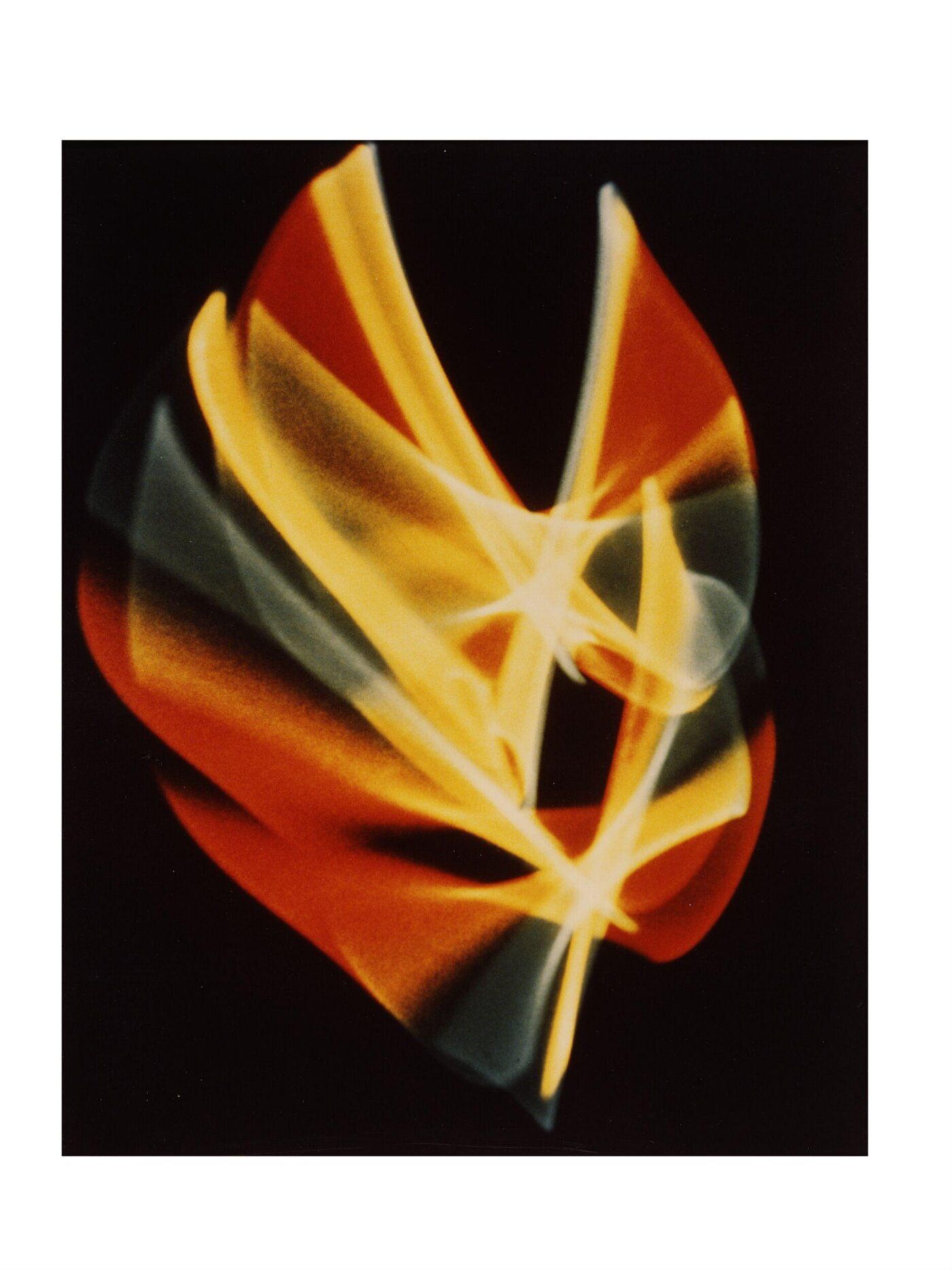 (Image from the Victoria & Albert Museum archives: https://collections.vam.ac.uk/item/O187662/oscillon-520-photograph-laposky-ben/ )
Through the use of an [oscilloscope], a type of electronic test instrument that graphically displays varying voltages over time, Ben Laposky visualized electronic waves on a fluorescent screen.
It would have been cool if he could have recorded the process directly from the screen — but wait, there was no such thing at the time! So instead, he photographed the results. Initially, his images were only in black and white, but soon Ben started finding ways to introduce color into the process.
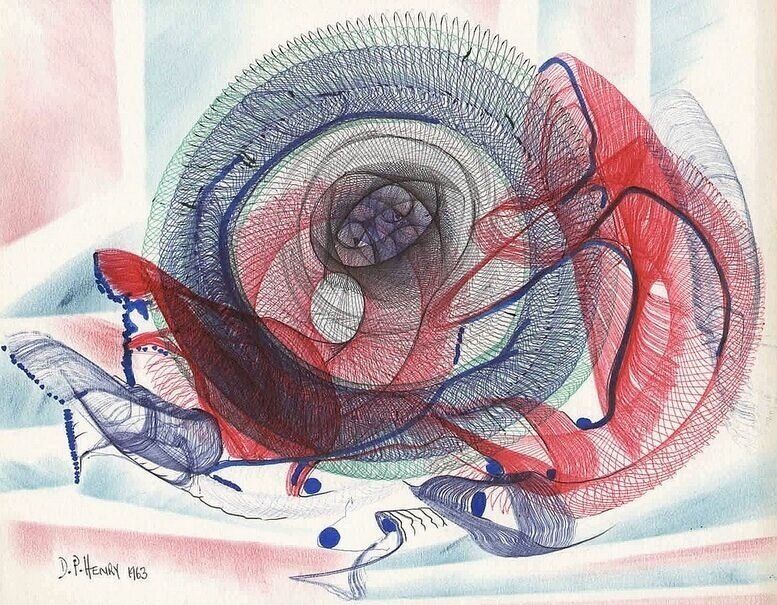
Desmond Paul Henry
desmond-paul-henry
 (Image:
 Quoting the Victoria and Albert Museum archives:
“In the 1960s, Desmond Paul Henry constructed three drawing machines using parts obtained from analogue bombsight computers.”
Interestingly, Henry was able to impact the end result by interacting with the machine as it goes and creates. That’s an important point, where we can say that the robot works — human controls.
Michael J. Masucci and Victor Acevedo
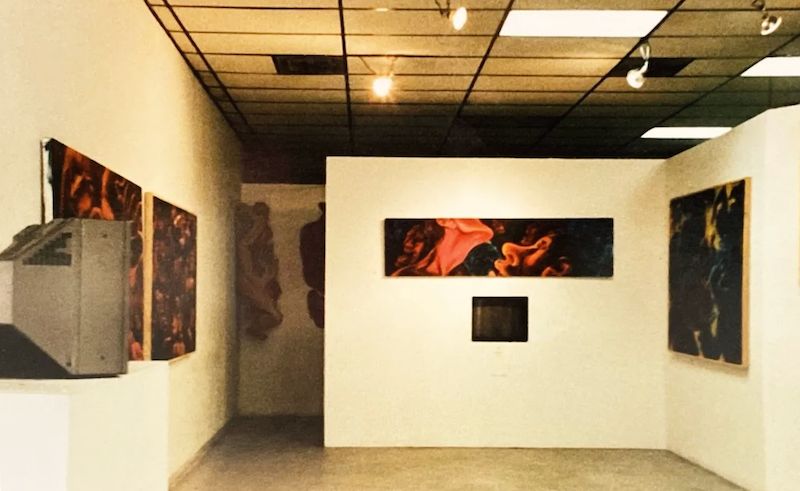 (Image: https://www.rightclicksave.com/article/eztv-and-las-digital-underground-video-art-technology EZTV Gallery, 1990. Courtesy of the EZTV Archive, founded by Michael J. Masucci)
For the “From Grid to Grit” collection I’ve curated: https://nft.theyaragency.com/I have three digital art pioneers who were creating computer art since the 80s. It’s been extremely fun to go through their archives. Michael even showed me a photo archive image where people were sitting in front of a small-sized TV screen watching new media art. We’ve come far. So far that our TV screen inches can’t even keep up with the new limits.
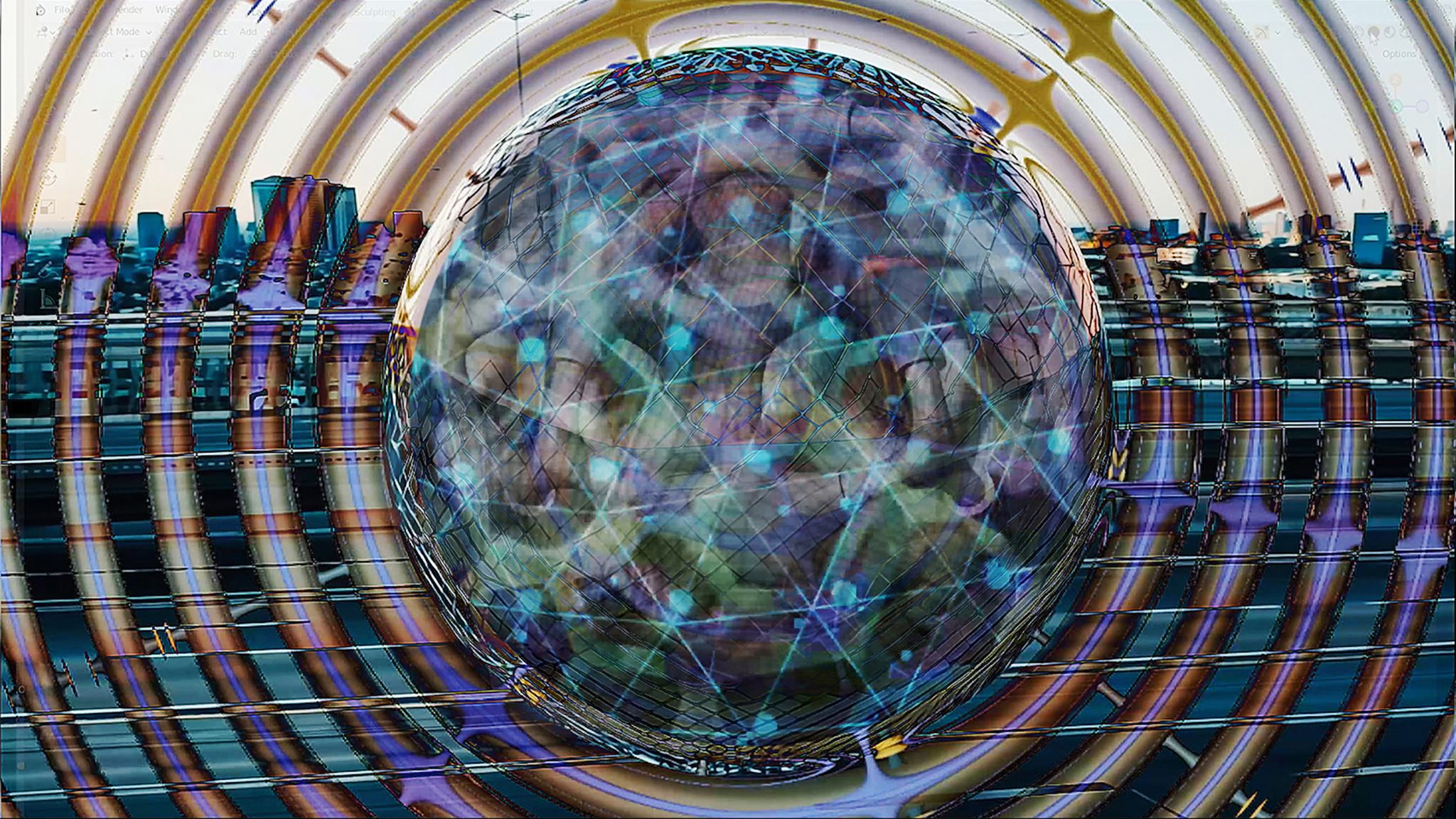 (Image: https://nft.theyaragency.com/artwork-6642-abstract-spheroid/ )
An early adopter of digital tools, Victor Acevedo began creating computer-generated art in the early 1980s using pre-Windows software. For this collection, we went for his Abstract Spheroid work created in 2024 using AI. This one was sold immediately during presale.
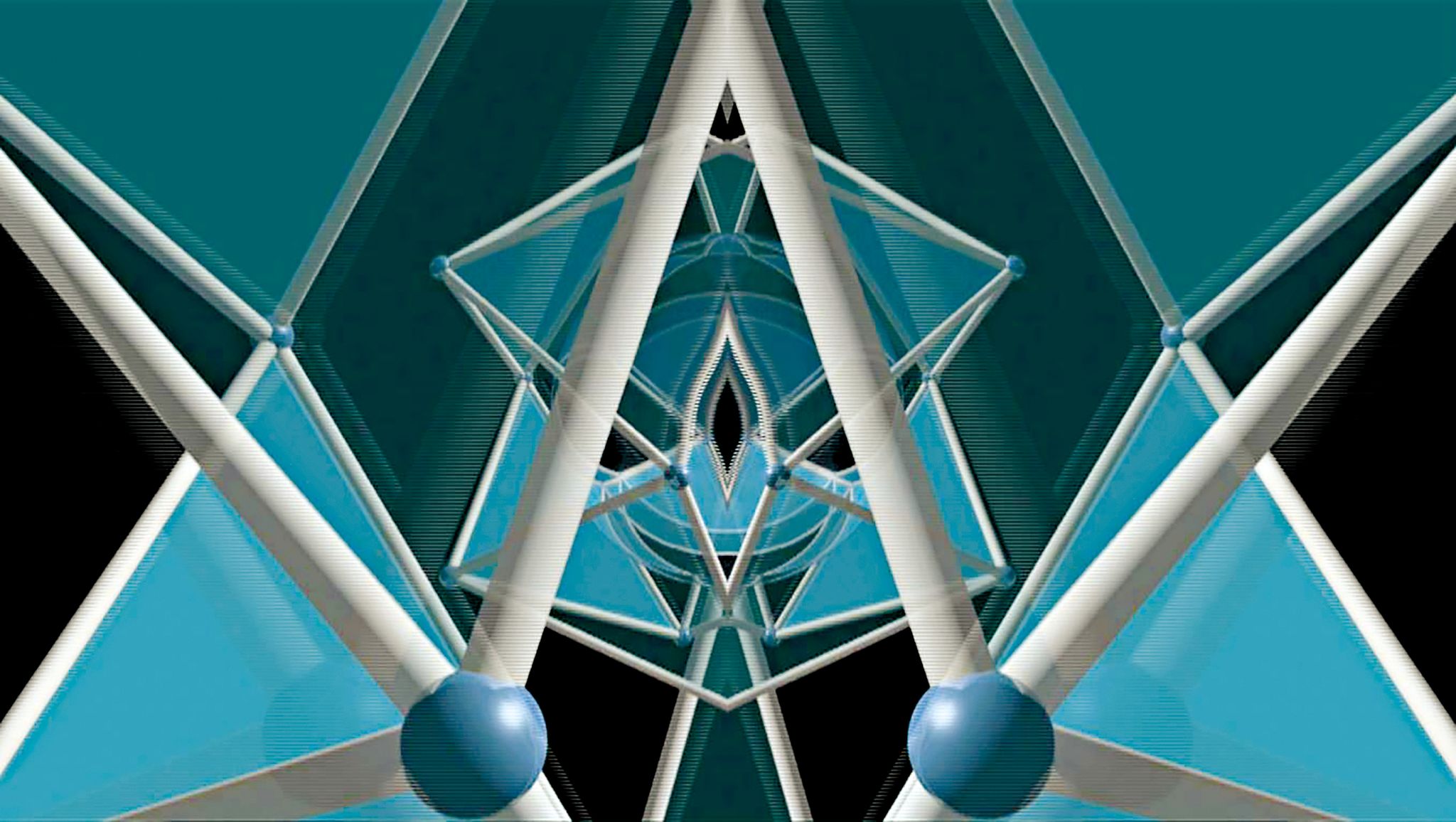 (Image: https://nft.theyaragency.com/artwork-6807-psychedelicportals03/)
We added another work of his, Psychedelic_Portal_s03, a composition that is seen or structured from the vantage point of inside a transforming cuboctahedron looking through it to a smaller version of the same.
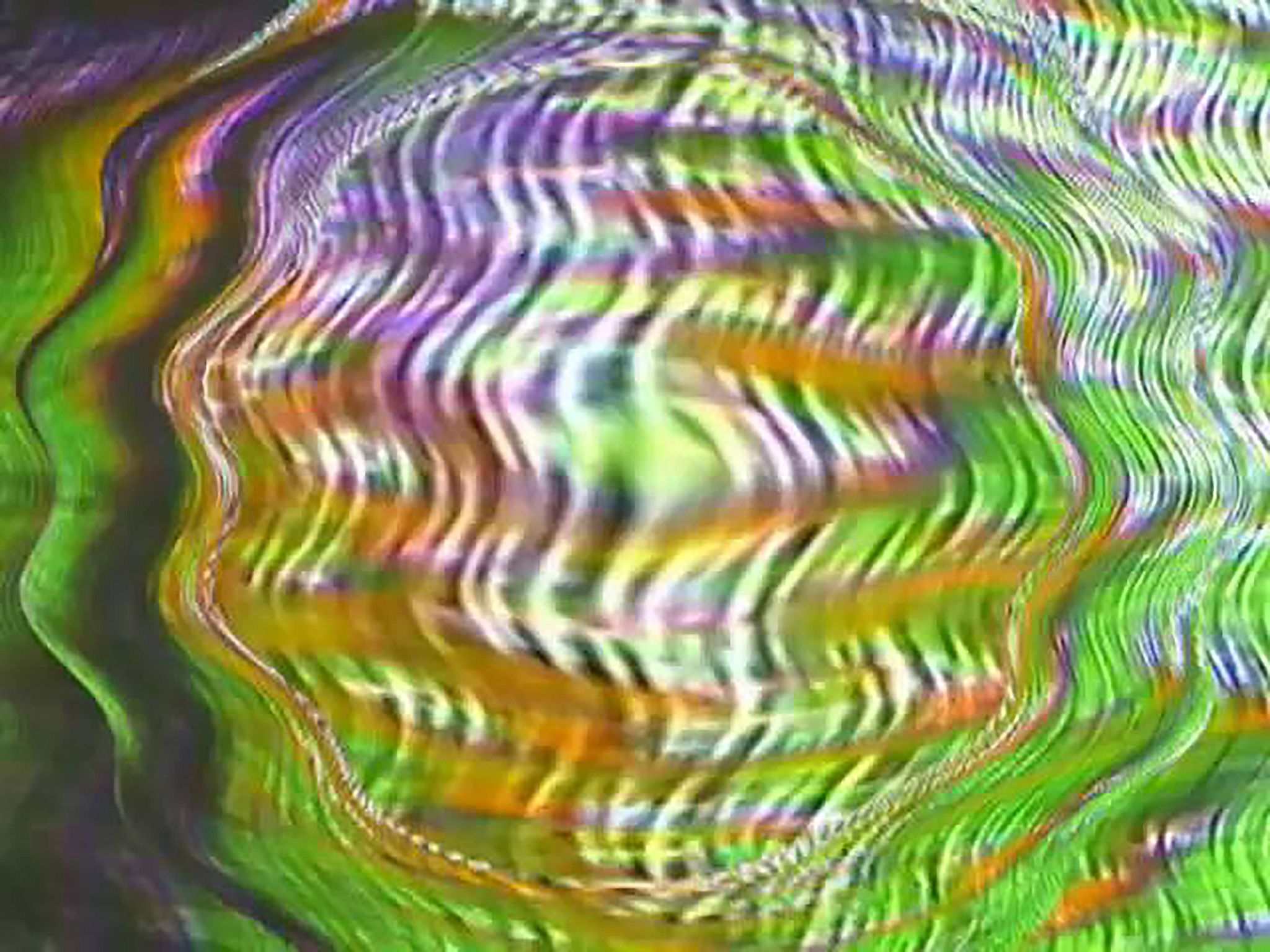 (Image: https://nft.theyaragency.com/artwork-6685-standing-waves-1/)
Michael J. Masucci has been curating digital art since 1984 and producing digital and multimedia art since 1980. Michael J. Masucci’s Standing Waves #1 (1982) is a hybrid electronic generative animation often described as a “performance painting.” It was created using a custom-built system powered by original code running on an 8-bit Atari 800 computer. The setup included a separate Atari Video Synthesizer, processed through a Panasonic Special Effects Switcher and multiple Plubicon tube cameras.
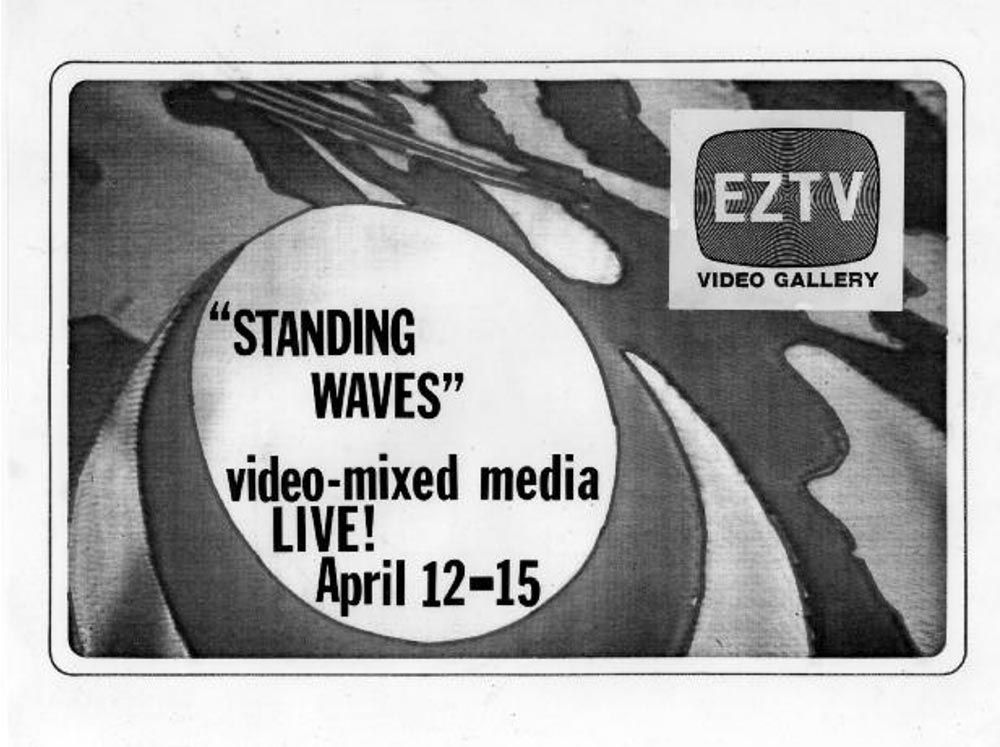 Abstract in nature, these real-time animations were screened at nightclubs, including venues in Los Angeles during the 1980s. When EZTV presented an evening of work at the American Film Institute (AFI) in March 1984, curator Dorr included Standing Waves in the program, alongside excerpts from several narrative features.
Available for purchase via the link: https://nft.theyaragency.com/artwork-6685-standing-waves-1
Harold Cohen and AARON
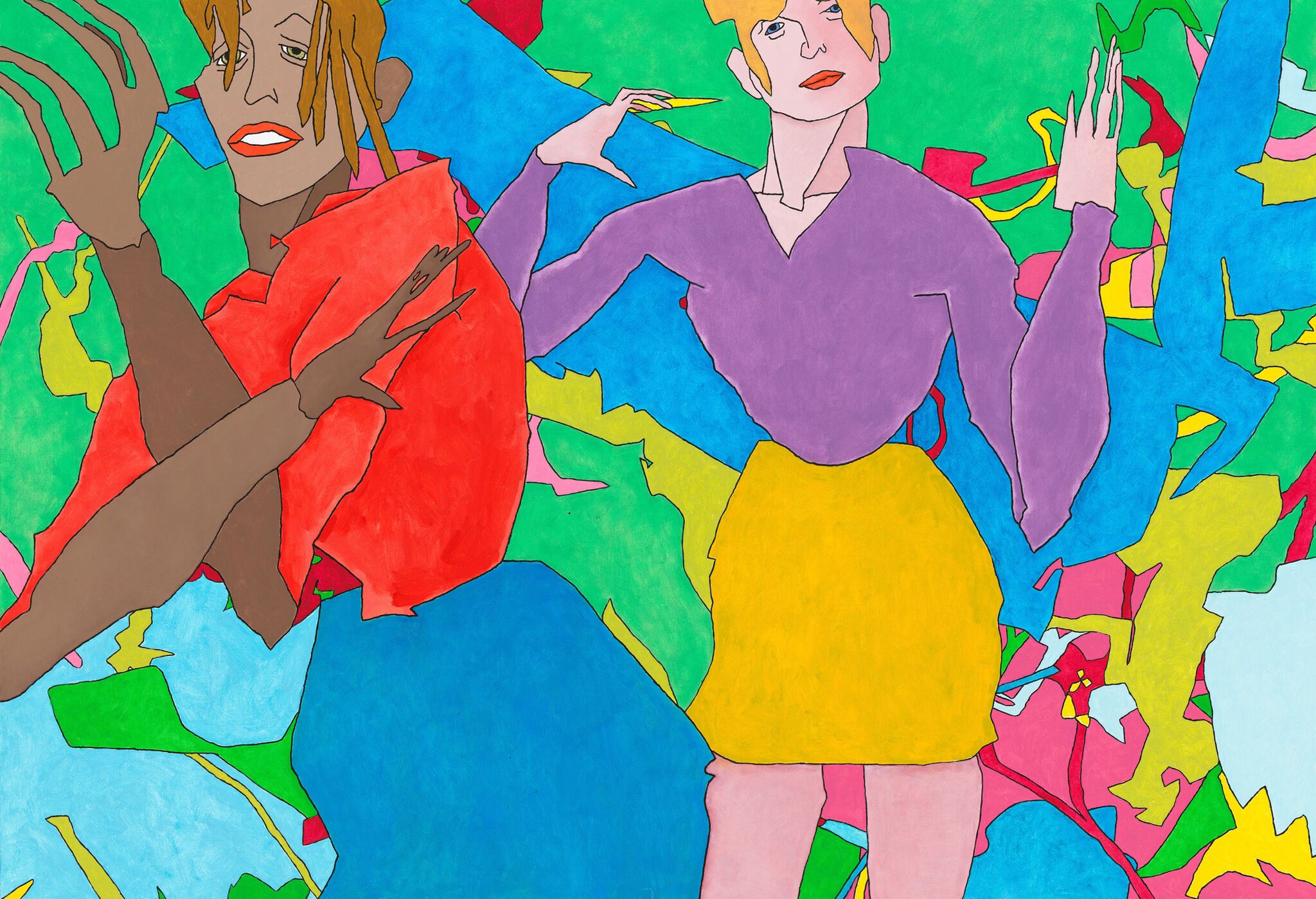 (Image: https://whitney.org/exhibitions/harold-cohen-aaron/art)
Absolutely incredible example of early generative art. It’s brilliant as it’s also figurative, though normally generative art is about strict geometrical or abstract forms. In the 60s Harold created the AARON software. In the 70s he named it.
Quoting the Whitney Museum that only a year ago organized a major exhibition of his art:
“To generate AARON’s output, Cohen built his own plotters and painting machines, which interpret commands from a computer to make line drawings on paper with automated pens and add color with brushes.”
How it’s going?
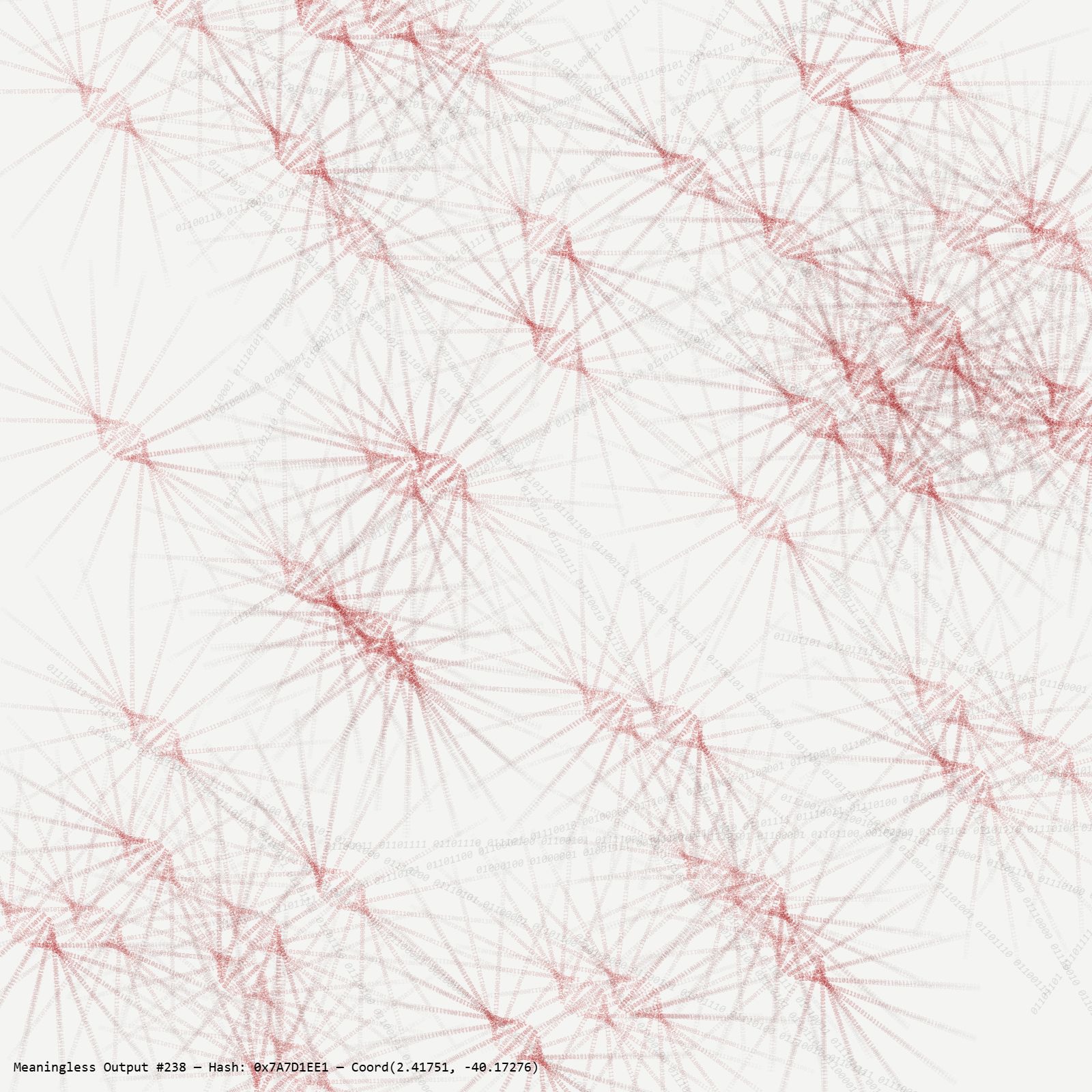 (Image: https://nft.theyaragency.com/artwork-6671-meaningless-output/ )
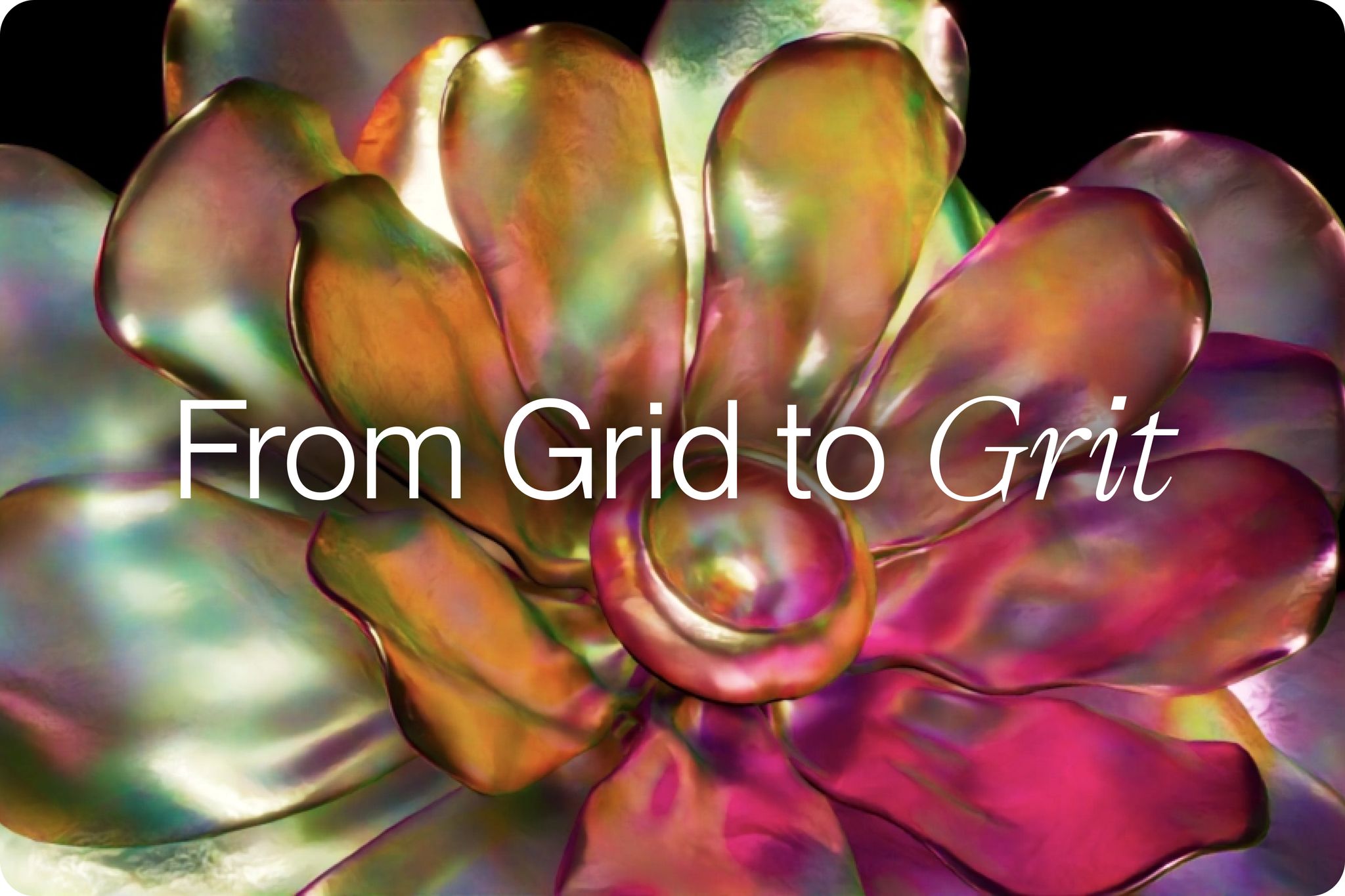
Currently, we're all of it. Computer art can be coded, can be generated with AI, can be painted on iPad, you name it. From Pawel Dudko’s algorithmic abstractions that blur the cosmic and microscopic, to Metaempath’s hyperreal 3D render of a luminous glass flower, artists are doing what they are meant to be doing: experimenting, trying, and constantly searching.
 Fernando Cabral builds immersive visual textures using millions of circles and pure JavaScript, while Fabián Buitrago translates generative systems into physical paintings rooted in structure and simplicity. Nicu Popescu blends generative visuals with projection based installations, and Nygilia offers a vivid digital meditation on transformation and identity.446f6d challenges the very foundations of generative aesthetics with a system trained on nothing at all. Thank you, 446f6d, that is a beautiful homage to the key debate on AI art, no plagiarism, no memory of anything ever created.
All of the mentioned artworks are curated by me, Olena Yara, and are available for purchase on Digital Original right now: https://nft.theyaragency.com/
So what you'll ask me?
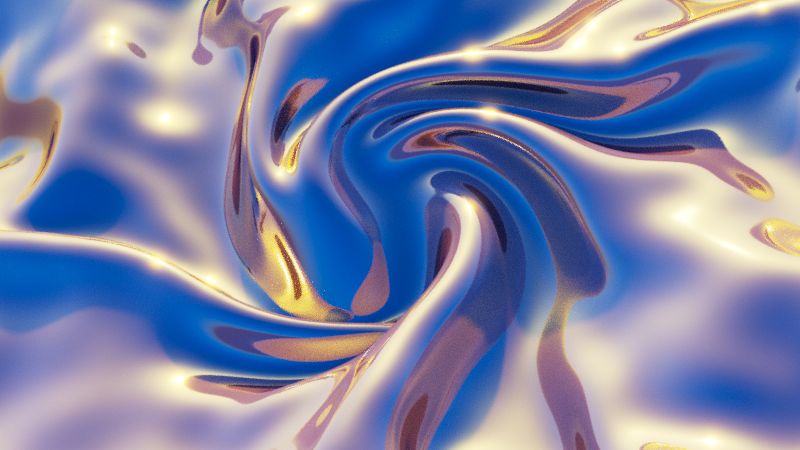 (Image: https://nft.theyaragency.com/artwork-6630-golden-current/)
And I will reply, every time your feed is drowned with poor AI generated images, just know that computer art has so much more to offer. And that in this so much more, something will match you, your liking, your beliefs, and your aesthetic visions.
So now it's finally a "Thanks for reading. Goodbye!"


