Phygital Art Explained: How Artists Blend Tangible and Digital Worlds

Phygital Art Explained: How Artists Blend Tangible and Digital Worlds
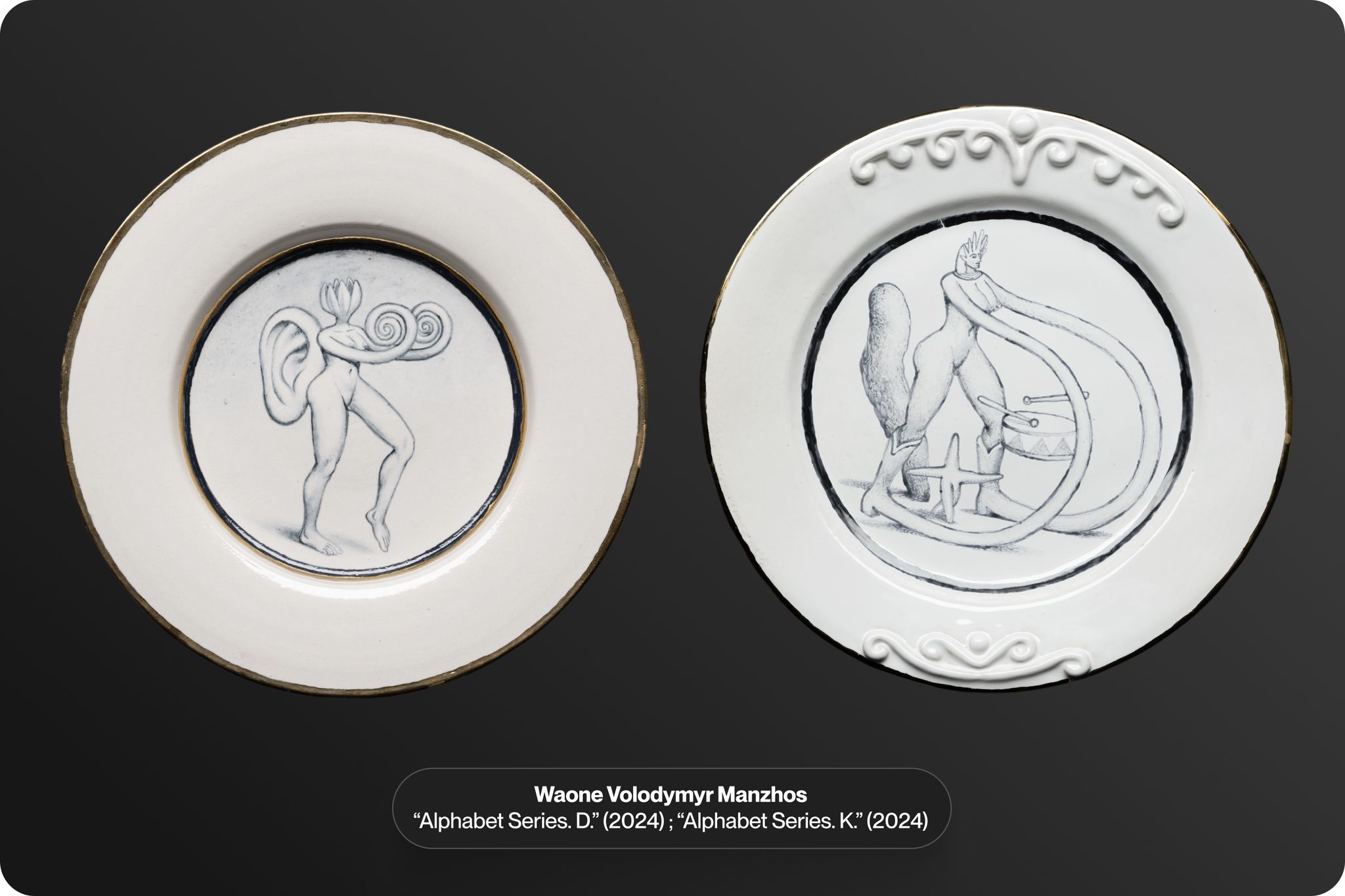
Phygital art is changing how we think about art by combining physical pieces with digital features like augmented reality (AR), virtual reality (VR), and blockchain technology. This fusion allows for interactive experiences, such as paintings that animate through an app or sculptures paired with NFTs that prove ownership and add digital perks.
Why it matters:
- Artists can earn royalties automatically through blockchain-powered smart contracts.
- Collectors enjoy owning both physical art and exclusive digital content.
- It removes geographic barriers, making global art more accessible.
Phygital art isn’t just about adding tech to traditional works - it’s about creating experiences where both the physical and digital elements are equally important. This approach is reshaping how art is created, collected, and valued.
Introduction
Mixing Physical and Digital Art
Artists today are blending traditional techniques with modern technology in ways that are reshaping the art world. Instead of choosing between canvas and code, they’re merging the two to craft immersive experiences that live in both physical galleries and digital spaces.
This combination allows for art that can be physically displayed while also offering digital elements like augmented reality overlays or virtual environments. Imagine a sculpture embedded with QR codes that unlock exclusive digital content, or a painting paired with an NFT that gives access to behind-the-scenes videos of the artist's creative process. These layered experiences are changing how we think about ownership and interaction with art.
The result? Art that’s no longer confined to being static. Collectors can display a physical piece in their homes while also engaging with its digital layers to discover hidden meanings, alternative versions, or even real-time updates from the artist. This evolution is not only sparking creativity but also reshaping the art market.
Why Phygital Art is Growing
Beyond its creative appeal, practical factors are fueling the rise of phygital art. For one, digital components erase geographic boundaries, allowing global audiences to experience art without needing to travel. A collector in New York, for example, can buy a physical piece from an artist in London and instantly access its digital features.
Advancements in technology have also played a huge role. Tools for augmented and virtual reality, once expensive and out of reach, are now accessible through smartphones and affordable software. This affordability gives independent artists the freedom to explore phygital concepts without needing massive budgets.
The financial opportunities are another big draw. Phygital art often commands higher prices because it combines the tangible appeal of physical pieces with the engagement of digital features. Buyers are willing to pay for a physical artwork, exclusive digital content, and the possibility of future updates or interactions. Smart contracts further sweeten the deal, ensuring artists earn royalties from secondary sales, creating a steady income stream.
Solutions like Digital Original are stepping in to support this shift, offering zero-risk storefronts that handle both physical and digital sales. They’re bridging the gap between artistic innovation and market needs, making it easier for artists to thrive in this evolving space.
What Is Phygital Art?
Phygital art is reshaping the creative world by blending physical and digital experiences into a unified artistic expression.
Phygital Art Meaning: Blending Physical and Digital Realms
At its core, phygital art combines the tangible and the virtual. It’s not just about creating a physical artwork and slapping on a digital feature - it’s about crafting pieces where both elements are equally vital to the experience. The physical component could be a painting, sculpture, or installation, while the digital aspect might add layers of interactivity, augmented reality (AR), or even blockchain-based ownership through NFTs.
Picture this: a painting on your wall that comes alive with animations when viewed through an app or a sculpture paired with a digital certificate that evolves over time. Phygital art invites viewers to interact with art in ways that transcend traditional boundaries, making it both immersive and multidimensional.
Examples of Phygital Art
Phygital art takes many forms, each offering a unique way to experience the fusion of physical and digital media:
- Augmented Reality Paintings: These start as traditional artworks but transform when viewed through a smartphone or tablet. The physical painting might depict a serene landscape, while the AR overlay reveals hidden animations, shifting colors, or alternate scenes, creating a layered experience.
- NFT-Linked Sculptures: Here, artists merge physical craftsmanship with blockchain technology. Buyers receive a tangible sculpture along with an NFT that serves as proof of ownership and might include perks like access to behind-the-scenes creation videos or evolving digital content. Some NFTs even change over time, adding a dynamic twist to ownership.
- Interactive Installations: These pieces invite viewers to engage directly. For instance, visitors might touch, move around, or interact with physical elements, triggering real-time digital projections. These installations often collect interaction data, making each encounter unique and leaving behind a living record of participation.
- Smart Art Frames: These frames house traditional artwork but incorporate screens or projections. By day, they display the original piece, but at night, they transform into animated or interactive versions. Some frames even connect to the internet, allowing artists to send updates or seasonal changes directly to collectors.
These examples highlight how phygital art bridges the gap between the physical and digital worlds, creating experiences that feel both innovative and deeply engaging.
How Artists Bring Physical and Digital Together
Creating phygital art is a deliberate process that starts with a vision of how the two mediums will complement each other. Here’s how artists make it happen:
- Building Connections: Artists often embed technology like NFC chips, QR codes, or AR markers into physical works. These subtle additions act as gateways to digital experiences without distracting from the artwork itself.
- Layered Design: The physical and digital elements are developed together, ensuring they enhance one another. For example, a painted portrait might include an AR feature that reveals the subject’s inner thoughts, or a sculpture’s shadow might transform into an animated figure through projection.
- Seamless Integration: Technology isn’t an afterthought - it’s part of the creative process. Many artists collaborate with developers or learn tools like AR platforms and blockchain systems to ensure the physical and digital components work harmoniously. Coding and digital design are becoming as essential as traditional skills like painting or sculpting.
- Storytelling Across Dimensions: Phygital art often tells stories that unfold differently in physical and digital spaces. A landscape painting might look tranquil on the surface, but its digital counterpart could reveal environmental data from the location, adding layers of commentary on issues like climate change.
The magic of phygital art lies in its balance. Both the physical and digital elements are indispensable, working together to create an experience that feels incomplete if either part is missing. It’s art designed to be explored, interacted with, and experienced in full.
Why Artists Are Using Phygital Creations
Artists are embracing phygital art because it combines the best of both worlds: the tactile charm of physical craftsmanship and the limitless possibilities of digital innovation. This blend allows creators to tell more layered stories while fostering meaningful relationships with collectors.
Expanding Creative Boundaries
Phygital art offers a broader canvas, combining physical and digital elements to create multi-dimensional works. By layering traditional techniques with digital tools, artists can push the limits of storytelling and visual expression in ways that were previously unimaginable. This approach not only enhances their creative freedom but also deepens the emotional connection with their audience.
Strengthening Artist-Collector Relationships
One of the standout benefits of phygital art is its ability to forge stronger bonds between artists and collectors. Digital platforms play a key role here, providing transparent ownership verification through blockchain technology. This system builds trust, ensuring collectors feel secure in their investments while allowing artists to maintain long-term relationships with their supporters.
Unlocking New Revenue Streams
Phygital creations also open doors to exciting financial opportunities. By combining physical pieces with digital components, artists can tap into multiple markets. Plus, with smart contracts and built-in royalty systems, artists can earn from secondary sales automatically and without delays. This ensures they continue to benefit financially as their work changes hands over time.
These financial advantages have also made NFTs an integral part of the phygital art movement, offering artists even more ways to innovate and grow.
sbb-itb-4e84554
Phygital Art and NFTs: The New Frontier
Building on the digital tools we've explored, NFTs are now solidifying the bond between physical and digital art. They play a crucial role in phygital art by ensuring ownership, authenticity, and permanence. When artists blend physical creations with digital elements, NFTs provide the backbone that makes these hybrid works groundbreaking. Let’s dive into how NFTs authenticate and enhance the value of phygital artworks.
How NFTs Authenticate Phygital Art
NFTs function as digital certificates, securely linking physical artworks to their digital counterparts. They achieve this by storing unique metadata - such as the creation date, artist details, and ownership history - on the blockchain.
This system creates a digital fingerprint for the artwork that’s impossible to duplicate or forge. When collectors purchase a phygital piece, they receive both the physical artwork and an NFT that verifies their ownership of the entire creation. The blockchain also keeps a permanent record of ownership changes, providing a transparent provenance trail. This eliminates the uncertainty and potential fraud that often plague art authentication.
Why NFTs Matter in Phygital Art
Integrating NFTs into phygital art brings a host of benefits for both artists and collectors. For starters, smart contracts ensure that artists earn royalties every time their work is resold.
Even if the physical component is lost or damaged, the NFT’s blockchain record maintains the artwork’s value and integrity.
NFTs also open up creative possibilities that traditional art simply can’t match. Artists can embed unlockable content, grant exclusive access to future projects, or offer special perks directly through the NFT. This creates an ongoing connection between artists and their supporters while adding layers of value.
Additionally, NFT marketplaces and solutions like Digital Original offer global reach, allowing phygital artists to connect with collectors worldwide without being tied to traditional galleries or geographic limitations.
Table: Phygital Art with NFTs vs. Regular Digital Art
The table below highlights the key differences between phygital art with NFTs and regular digital art.
| Feature | Phygital Art with NFTs | Regular Digital Art |
|---|---|---|
| Ownership Verification | Blockchain-backed proof for physical and digital components | Relies on traditional documentation |
| Resale Value | Combines physical rarity and digital scarcity | Limited by physical market conditions |
| Global Accessibility | Instant worldwide trading and validation | Requires physical shipping and logistics |
| Permanence | Digital elements preserved on blockchain | Risk of physical wear or loss over time |
| Artist Royalties | Automated via smart contracts | Requires manual tracking and payments |
| Fraud Protection | Secured by cryptographic proof | Susceptible to forgery and disputes |
The combination of phygital art and NFTs is transforming how art is created, collected, and preserved. This technology isn’t about replacing traditional art markets - it’s about expanding them, offering artists new ways to innovate and collectors new ways to engage with art on a deeper level.
How Galleries and Collectors Work with Phygital Art
The art world is undergoing a transformation as galleries and collectors adjust to the rise of phygital art. This evolution is reshaping how art is displayed, valued, and experienced, requiring new approaches to exhibition spaces, collector expectations, and the tools that support this hybrid art form.
Displaying Phygital Art
To properly showcase phygital art, galleries are rethinking their spaces. Traditional white walls are now accompanied by digital screens and augmented reality (AR) displays, creating an environment where physical and digital elements coexist.
Some galleries have adopted hybrid models, pairing physical artworks with QR codes that unlock digital layers when scanned. This approach allows visitors to experience a seamless blend of tactile and virtual art forms. Dedicated digital zones are also becoming popular, providing visitors with the chance to explore interactive and dynamic digital elements in greater depth.
AR exhibitions are another exciting development. With AR apps, visitors can see digital overlays that enhance physical pieces, turning static artworks into immersive, interactive experiences. This combination of technologies offers a fresh way to engage with art.
What Collectors Want in Phygital Art
Collectors are drawn to phygital art for its interactivity and uniqueness, but they also have specific expectations. Proof of ownership is crucial for both the physical and digital components of a piece. Many collectors are particularly interested in artworks that feature evolving digital elements, offering an ongoing sense of engagement long after the initial purchase.
Durability is another priority. Collectors want assurance that the digital aspects of their art will remain accessible as technology advances. Additionally, the potential for investment plays a significant role, as collectors often seek pieces that push creative boundaries while retaining market value.
Blockchain technology plays a key role here, providing secure records that verify ownership of both physical and digital assets. This ties into the NFT authentication systems discussed earlier, ensuring transparency and trust.
How Digital Original Supports Galleries and Collectors
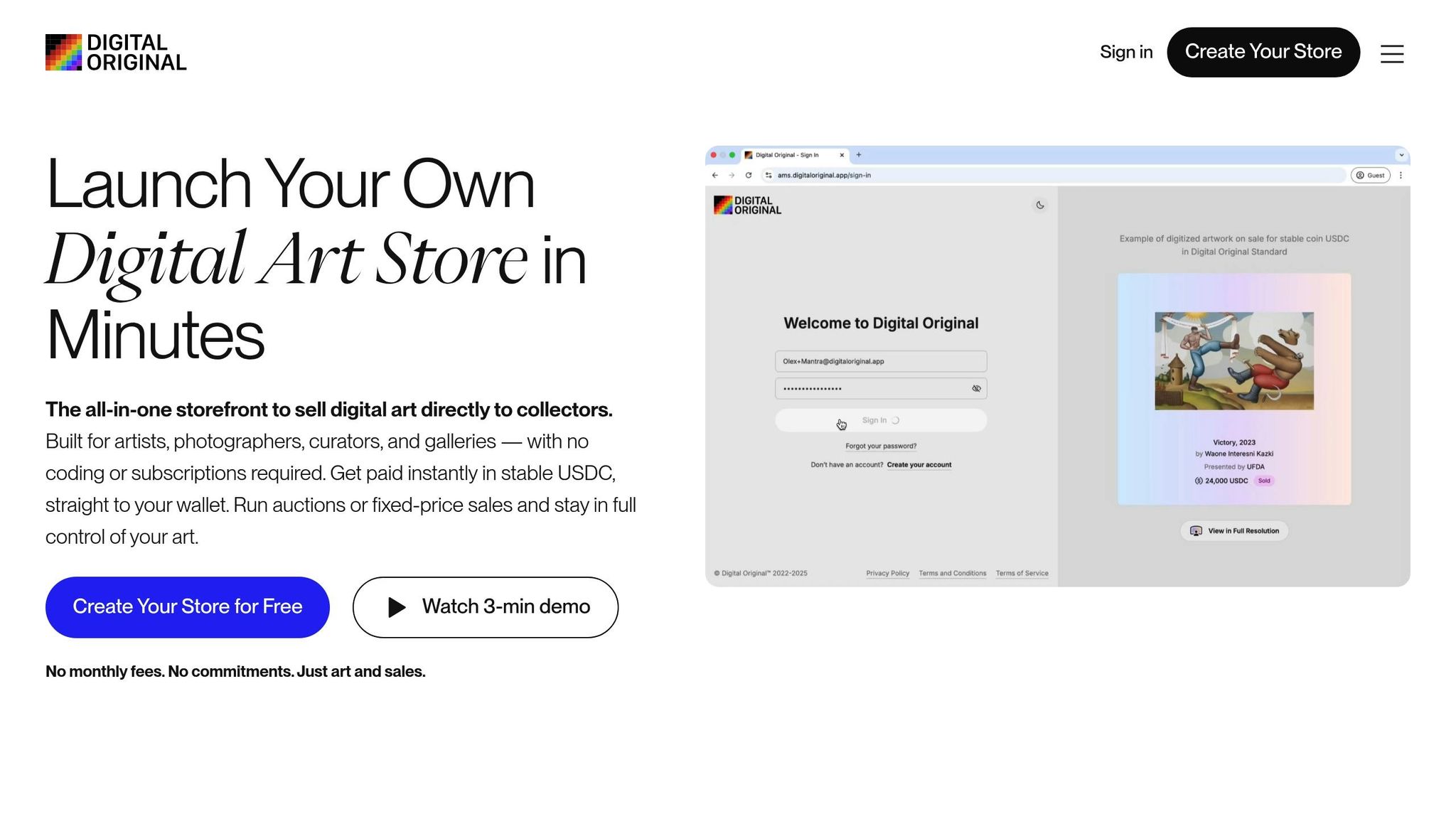
Digital Original has stepped in to meet the needs of galleries and collectors in this evolving space. It offers tools specifically designed for phygital art, including customizable storefronts for showcasing both physical and digital works. Its smart sales tools accommodate both auction-style and fixed-price transactions, while instant USDC payouts make financial processes smooth and efficient.
The product also ensures secure transactions and provides options for public and private access controls. These features not only protect collectors but also support ongoing artist royalties, fostering stronger connections between galleries, artists, and collectors. By supporting the integration of physical and digital elements, Digital Original is helping to shape the future of phygital art.
What Most People Get Wrong About Phygital Art
Phygital art often faces misunderstandings that hold it back from receiving the attention it deserves. These misconceptions usually stem from oversimplified comparisons to traditional art forms, which fail to capture the complexity and depth of this hybrid medium. Let’s break down some of the most common myths.
Phygital Art Is Not Just Digital Art with a Print
A common misconception is that phygital art is simply digital art paired with a physical print. This perspective misses the point entirely. Phygital art intentionally combines physical and digital elements in a way that makes both essential to the overall experience. One doesn’t exist without the other in a truly integrated piece.
In fact, many phygital works use technologies like blockchain to securely connect the digital and physical components. This ensures the integrity of the artwork as a unified whole, preventing either part from being separated or lost.
It’s More Accessible Than You Think
Another myth is that creating or enjoying phygital art requires expensive tools or advanced technical expertise. The truth? The resources for exploring this medium are more accessible than ever. Artists can experiment with hybrid techniques using widely available tools, and they don’t need to be programming experts or own high-end hardware to get started.
For collectors and viewers, engaging with phygital art doesn’t involve steep learning curves. User-friendly platforms and tools make it easy to interact with these works, whether it’s through a smartphone app or a simple digital interface.
Ownership and Provenance Are Clearer Than You’d Expect
Some people worry that the dual nature of phygital art makes ownership confusing or that the digital components are vulnerable to duplication. In reality, phygital art often provides stronger ownership verification than traditional art forms. Blockchain technology ensures that both the physical and digital aspects are secure and traceable.
Every transaction is logged digitally, creating a transparent ownership history that’s practically impossible to tamper with. Smart contracts also allow artists to receive royalties from secondary sales - something rarely achievable with purely physical works.
Solutions like Digital Original take this a step further by offering collectors tamper-proof records of ownership, making traditional paper documentation obsolete and ensuring long-term reliability.
Key Takeaways
Phygital Art Is Changing the Art World
Phygital art is reshaping how we create, experience, and collect art. By combining the tangible appeal of physical works with the cutting-edge possibilities of digital technology, this art form offers immersive and interactive experiences that traditional mediums simply can't replicate. Think augmented reality overlays, virtual reality installations, and NFTs that authenticate ownership - these tools open doors to creative opportunities we couldn't have imagined before.
What's more, phygital art is gaining recognition from major institutions, which highlights its potential to captivate audiences, generate revenue, and reach global markets. For artists, this medium offers multiple income streams and a chance to connect directly with collectors worldwide, bypassing the traditional gallery model. As for collectors, they enjoy benefits like secure provenance tracking, NFT-backed ownership, and the ability to showcase their pieces in both physical and virtual formats.
This shift is more than just a trend - it's transforming the way art is made, shared, and valued, laying the groundwork for a new era of creativity and sustainability.
Why the Phygital Blend Matters for the Future
The fusion of physical and digital art isn't just a fleeting trend; it's a response to our increasingly tech-driven world. Artists and collectors who embrace this hybrid approach are setting themselves up for long-term success, especially as younger, tech-savvy audiences take center stage in the art market.
Modern tools like NFTs and smart contracts ensure transparent provenance and lasting value. In fact, many galleries now require original digital files for verification, making digital literacy a must-have skill for anyone serious about art - whether as a creator or a collector.
For collectors, phygital art offers more than just aesthetic value. These works are verifiable, easy to trade, and adaptable for display in a wide range of settings. This flexibility safeguards collections against market or technological shifts, providing a level of durability that traditional art often lacks.
Solutions such as Digital Original make it easier than ever for artists to dive into the phygital space. By simplifying the process of setting up a storefront, Digital Original helps artists sell directly to collectors while ensuring secure digital ownership and automatic royalties. This streamlined approach empowers artists to thrive in the evolving art landscape.
FAQs
How do artists keep the digital aspects of phygital art relevant as technology advances?
Artists maintain their edge by leveraging versatile digital tools and platforms designed to adapt to new technologies. Many are exploring interactive experiences such as augmented reality (AR) and virtual exhibitions, which can grow and transform as technology advances. By embracing these evolving methods, they ensure their creations stay relevant, captivating, and accessible to audiences in the years to come.
How do NFTs add value and security to phygital art for artists and collectors?
NFTs play a crucial role in adding value and ensuring the security of phygital art by acting as digital certificates of ownership and authenticity that cannot be tampered with. This feature helps eliminate concerns about forgery, giving both artists and collectors confidence in the artwork's origin and legitimacy.
Thanks to blockchain technology, NFTs enable secure transactions and allow for a permanent, transparent record of ownership. This level of clarity and trust not only elevates the value of phygital artworks but also provides a layer of security that traditional physical art simply can’t offer. For artists and collectors alike, NFTs represent a transformative way to safeguard and validate these hybrid creations.
How can collectors confirm the authenticity and ownership of both the physical and digital aspects of phygital art?
Collectors can verify the authenticity and ownership of phygital art through blockchain-based certificates and NFTs. These tools create a secure, transparent record of the artwork's history, ensuring both its physical and digital elements are traceable and protected against tampering.
For physical artworks, technologies like NFC tags or QR codes embedded in the piece can be scanned to confirm authenticity. Some systems even add an extra layer of security by requiring scans at different intervals to deter fraud. These combined methods safeguard the integrity of phygital art, offering collectors peace of mind with their investments.


