The Phygital Turn: How the Art Market Is Adapting to Hybrid Ownership


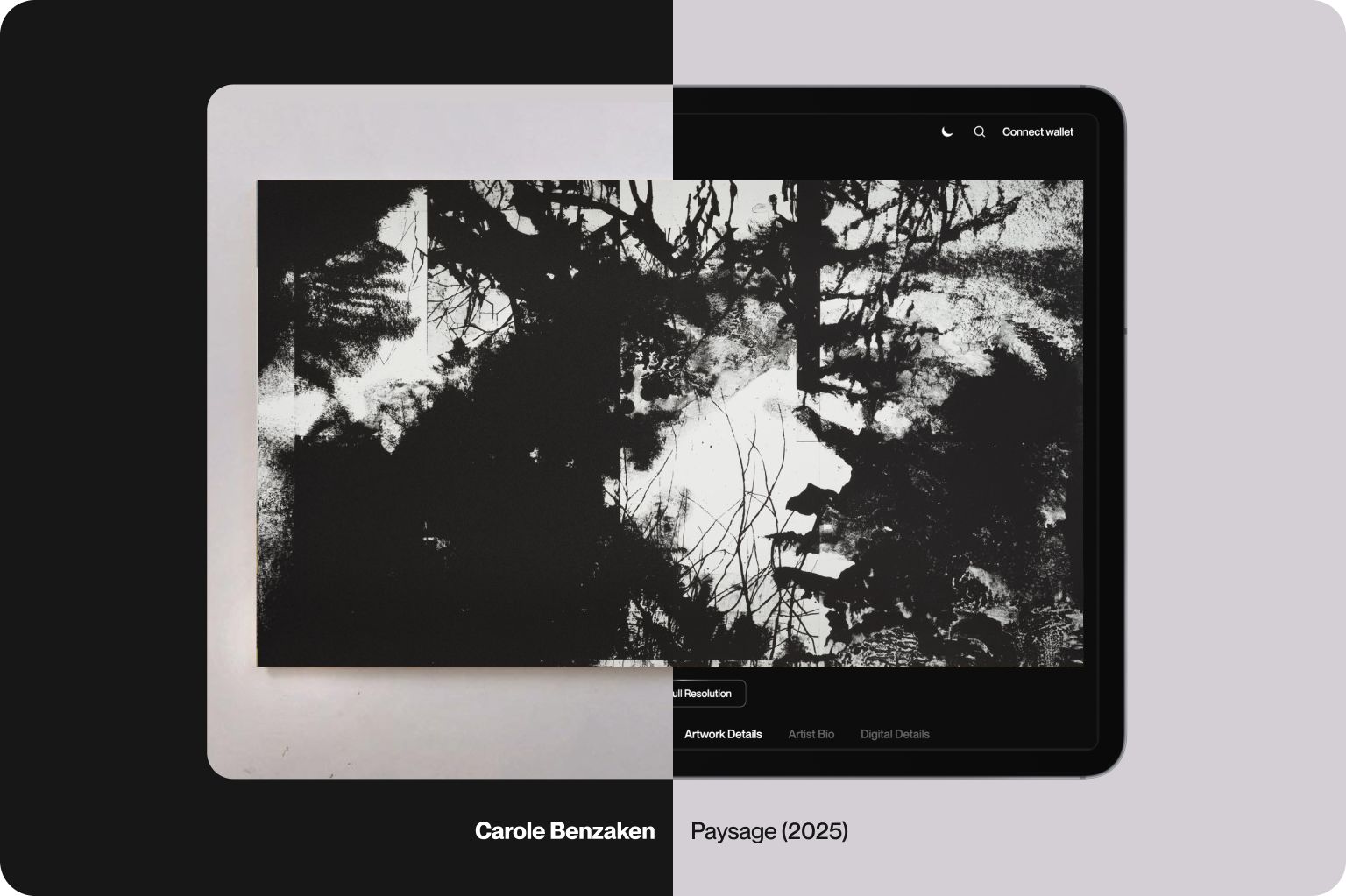
The Phygital Turn: How the Art Market Is Adapting to Hybrid Ownership
Phygital art is changing how we buy and experience art by combining physical pieces with blockchain-verified digital versions. This hybrid ownership model offers collectors both a tangible artwork and a secure, digital certificate. Here's what you need to know:
- What it is: Phygital art links physical works to NFTs, creating a dual ownership model. Buyers get a physical piece and a blockchain-backed digital record.
- Why it matters: It solves issues like fraud, limited artist royalties, and accessibility. Blockchain ensures secure transactions, while smart contracts automate payments and royalties.
- Key benefits: Artists keep up to 95% of earnings, collectors enjoy secure ownership, and the global market expands through AR/VR exhibitions and online platforms.
- Examples: Damien Hirst’s “Currency” project and galleries like Deodato Arte are already seeing success with this approach.
- Technology: Tools like NFC, QR codes, and ultra-resolution scanning connect physical and digital elements seamlessly.
Phygital art is reshaping the market by blending the convenience of digital ownership with the emotional connection of physical art. Artists and collectors are embracing this shift, creating new opportunities for engagement and sales.
Introduction: The Phygital Shift and Why It Matters
The art world is evolving in ways that are reshaping how people buy, sell, and experience art. Collectors no longer have to choose between owning a physical piece or a digital certificate - they can have both. Purchasing a phygital artwork means you might receive a physical sculpture to display in your home, along with an NFT that verifies its authenticity and ownership on the blockchain. This dual approach caters to the growing demand for tangible ownership while embracing the transparency and innovation of digital tools.
Thanks to blockchain technology, augmented and virtual reality (AR/VR), and mobile scanning, a secure connection between physical artworks and their digital counterparts is now possible. This hybrid model is transforming how art is created, owned, and valued, opening up new opportunities for artists and galleries alike.
Recent trends back up these insights. Sotheby's phygital art auctions and Deodato Arte, an Italian gallery experimenting with hybrid ownership models, have both seen increased engagement from collectors. These successes highlight the growing appeal of dual ownership experiences.
This shift is important because it solves long-standing challenges in the art market. Blockchain technology combats provenance fraud by providing an unalterable record of ownership. Digital verification expands global accessibility, while smart contracts ensure artists are fairly compensated through automated royalties. For creators and galleries, this model boosts revenue streams without diminishing the value of physical art. For example, a painter can sell an original canvas and simultaneously profit from a digital version displayed in virtual galleries.
With 63% of buyers starting their search for art online, yet many still prioritizing physical ownership, phygital models provide the perfect bridge. Early adopters are gaining traction by meeting the market's demand for a collecting experience that blends the tangible and the digital, offering the best of both worlds.
What Is Phygital Art? Connecting Physical and Digital Worlds
Phygital art combines the physical and digital into a single, unified asset. Essentially, it pairs a tangible piece of art with a blockchain-backed digital certificate. The term "phygital" is a fusion of "physical" and "digital", describing objects and experiences that seamlessly blend real-world elements with digital features.
Unlike traditional digital art - which exists only in a virtual space - phygital art directly links a physical artwork to its digital counterpart through blockchain technology. When you buy a phygital artwork, you might receive a physical piece for display alongside a digital asset that verifies its authenticity and ownership via blockchain. This creates a unique hybrid ownership model, where the tangible and digital aspects are intertwined.
How Phygital Art Works
Blockchain technology is the backbone of phygital art, offering a secure and transparent way to verify ownership and authenticity. When an artist creates a phygital piece, they mint an NFT (non-fungible token) that’s tied to the physical artwork. This NFT functions as a digital certificate of authenticity. Smart contracts embedded in the blockchain can outline critical details, such as royalty terms, conditions for transferring ownership, and even access to exclusive digital experiences.
Technologies like QR codes and NFC (near-field communication) make the connection between the physical and digital elements seamless. Collectors can scan these codes to instantly access the digital certificate linked to their physical artwork.
Phygital Art Examples
One standout example of phygital art is Damien Hirst's "Currency" project. In July 2021, Hirst created 10,000 NFTs, each linked to a unique, hand-painted dot on paper. Buyers were given a choice: keep the digital NFT or exchange it for the physical artwork. Managed by HENI, this project generated over $25 million in sales and sparked widespread conversations about the future of hybrid art ownership.
Another example comes from the Deodato Arte Gallery in Milan. Since 2022, the gallery has provided collectors with both a physical artwork and a blockchain-registered NFT. This approach guarantees authenticity and enables digital resale or exhibition. Museums are also embracing phygital concepts, using mobile apps to offer virtual tours, detailed artwork information, and augmented reality features that overlay digital content onto physical pieces. These examples highlight how artists and institutions are using hybrid ownership models to reach new audiences and expand the market.
Why Phygital Art Is Growing
The rise of phygital art is fueled by its ability to address challenges faced by both traditional and digital art. Collectors increasingly want the flexibility to own art in both forms, and blockchain technology enhances security while reducing the risk of counterfeiting.
For artists, phygital art unlocks new revenue opportunities. By selling both physical and digital rights, and leveraging smart contracts for royalties on secondary sales, artists can retain up to 95% of their earnings through direct-to-collector sales. The COVID-19 pandemic further accelerated this shift, as collectors turned to digital platforms when physical galleries were inaccessible. This allowed artists to connect with global audiences without depending solely on in-person exhibitions.
The combination of advancing technology, market demand for flexibility, and clear financial benefits is driving the rapid growth of phygital art. It not only addresses existing challenges in the art world but also opens up new possibilities for artists and collectors alike.
From NFTs to Phygital Ownership
The rise of NFTs brought blockchain-based ownership into the spotlight, attracting millions of collectors to the digital art world. Yet, it also exposed a key limitation: while digital assets gained popularity, many collectors still craved the tactile experience of owning physical art. This gap between cutting-edge technology and the timeless appeal of tangible collections led to the emergence of phygital ownership - a blend of digital and physical art.
NFTs proved that blockchain could provide verified ownership and provenance for digital assets. However, for some, the purely digital format lacked the emotional connection tied to physical pieces. Phygital art bridges this divide, combining the blockchain-backed authenticity of NFTs with the tangible satisfaction of owning physical art.
This hybrid model opens up new possibilities for both creators and collectors, marrying the strengths of blockchain technology with the enduring charm of traditional art. Let’s take a closer look at how blockchain technology underpins this innovative approach.
Blockchain's Role in Phygital Art
Blockchain serves as the foundation for phygital art, offering a secure, transparent, and automated system for ownership and transactions. Through its immutable ledger, every sale, transfer, and ownership record is preserved, eliminating the risks of tampering or fraud. Smart contracts further simplify the process by automating tasks that previously required manual intervention. For instance, when a phygital artwork is sold, a smart contract can instantly:
- Distribute royalties to the artist.
- Transfer digital ownership to the buyer.
- Update the provenance record.
This automation not only streamlines transactions but also builds trust between artists and collectors.
Blockchain also breaks down geographical barriers. A collector in New York can seamlessly purchase a phygital piece from an artist in Tokyo, with blockchain ensuring verification and transfer in real time. This global connectivity is a game-changer, offering accessibility that traditional art markets often struggle to provide.
The contrast between traditional and phygital ownership models becomes even clearer when comparing their features side by side.
Standard Ownership vs. Phygital Ownership
Here’s how traditional and phygital ownership stack up:
| Feature | Standard Ownership | Phygital Ownership |
|---|---|---|
| Authenticity | Paper certificates, expert opinions | Blockchain-verified, permanent records |
| Transferability | Manual processes | Instant digital transfer via smart contracts |
| Collector Experience | Physical display only | Physical display + digital interaction |
| Security | Vulnerable to theft, forgery, damage | Blockchain-secured |
| Resale/Liquidity | Limited to auctions and galleries | Global peer-to-peer marketplaces |
| Artist Royalties | Rarely enforced on resales | Automated through smart contracts |
This comparison highlights why collectors are increasingly drawn to phygital ownership. Enhanced security, global accessibility, and the ability to combine physical and digital experiences make this hybrid model a compelling alternative to traditional methods.
Benefits for Artists and Collectors
Phygital art offers unique advantages for both creators and collectors. For artists, it opens up multiple revenue streams that go beyond the constraints of physical galleries. Digital platforms allow them to connect directly with a global audience, bypassing traditional gatekeepers and expanding their reach.
Collectors, on the other hand, gain flexibility and liquidity. Phygital artworks can be traded on digital marketplaces worldwide, while still providing the joy of owning a physical piece. Blockchain verification ensures authenticity, addressing a long-standing concern in the art world.
The hybrid nature of phygital ownership also enhances engagement. Collectors might receive exclusive digital perks, access virtual exhibitions, or enjoy special privileges within the artist’s community - benefits that traditional ownership rarely offers.
As the phygital art market continues to grow, it’s clear that this model is reshaping how we think about ownership. With its combination of physical and digital elements, phygital art is capturing the attention of both creators and collectors alike, making it a dynamic force in the evolving art landscape.
sbb-itb-4e84554
How Artists and Galleries Are Using Hybrid Ownership
Artists and galleries are embracing platforms that merge physical and digital sales, making it easier for creators of all backgrounds to navigate hybrid ownership. These tools simplify the process, requiring no technical expertise, and open doors for artists to reach global audiences.
Phygital Storefronts and Direct Sales
Phygital storefronts are changing the way artists sell their work. These custom platforms allow creators to showcase both physical pieces and their digital counterparts in a single, unified space. By cutting out traditional intermediaries, artists can sell directly to collectors worldwide, speeding up transactions and avoiding unnecessary delays.
These storefronts are designed to maximize artist earnings. Creators keep 95% of every sale, only paying minimal transaction fees. This model offers financial clarity and immediate access to funds, with payments made in stable cryptocurrency, making it especially appealing to artists.
Solutions like Digital Original empower artists with a phygital option, bridging the gap between physical and digital ownership. Artists can seamlessly connect their tangible artworks with verified digital counterparts, giving collectors a richer, more transparent experience. Beyond that, the platform enables creators to launch their own branded storefronts, manage sales independently, and reach global audiences without relying on middlemen.
Digital Tools and Smart Contracts
Smart contracts are the backbone of phygital art sales, automating processes like transactions and royalty distributions. These blockchain-based tools eliminate the need for manual intervention, ensuring faster and more reliable payments.
Here’s how it works: when a collector buys a phygital artwork, the smart contract instantly handles ownership transfer, sends payment to the artist, and updates the blockchain record. It’s all seamless and secure. Artists also benefit from audited smart contracts with security ratings of 9.8/10, offering peace of mind that their transactions are safe and legally sound. Whether through direct sales or auctions, smart contracts provide flexibility for pricing and selling artwork.
Exhibitions and Marketing in the Phygital Era
The phygital revolution isn’t just about sales - it’s also transforming how art is exhibited and marketed. With tools like AR/VR and high-resolution scanning, galleries are creating immersive experiences that bridge the gap between physical art and its digital representation.
Galleries are now integrating AR/VR elements into exhibitions, offering tech-savvy collectors new ways to engage with art. For instance, the MySmartJourney platform collaborated with several North American museums in 2024 to develop AR-enhanced exhibitions and interactive web apps. These efforts boosted visitor engagement and increased merchandise sales tied to digital experiences.
Modern exhibitions often combine physical displays with digital overlays. QR codes placed next to artworks lead visitors to exclusive content, such as artist interviews or purchase options for digital versions of the pieces. In 2023, Deodato Arte gallery launched a series of phygital exhibitions that paired physical art with NFT-linked experiences. By using blockchain for certificates of authenticity and smart contracts for royalties, the gallery saw a noticeable uptick in direct sales and engagement from international collectors.
Marketing strategies are also evolving to meet the demands of the digital age. Virtual exhibition previews, social media campaigns with AR filters, and pop-up phygital events are helping galleries connect with collectors who value both online discovery and physical ownership. This hybrid approach caters to shifting buyer habits: while 63% of people start their purchasing journey online, 49% still prefer to complete their purchases in person. By blending the two, galleries can meet these preferences head-on.
Technologies Powering the Phygital Art Market
The phygital art market thrives on cutting-edge technologies that bring together the physical and digital worlds, offering secure and immersive experiences for artists, galleries, and collectors. These innovations ensure authenticity, streamline transactions, and create a seamless blend of physical and digital art.
Blockchain and NFTs
At the heart of the phygital art market is blockchain technology, which securely records every transaction. This ensures transparency and trust by verifying the provenance of artworks. NFTs (non-fungible tokens) play a crucial role by acting as digital certificates that connect physical artworks to their digital versions, making authenticity easy to verify.
Smart contracts add another layer of efficiency by automating payments, transferring ownership, and instantly updating blockchain records. These contracts boast impressive security ratings, reaching up to 9.8/10.
For artists, the benefits are significant. They receive instant USDC payouts directly to their wallets, cutting out delays and intermediary fees. Additionally, built-in royalty mechanisms ensure artists earn from future resales of their work. This blockchain-based system not only secures transactions but also supports the creation of immersive digital experiences.
AR/VR and Digital Experiences
Augmented Reality (AR) and Virtual Reality (VR) are reshaping how collectors engage with phygital art. AR tools allow users to visualize how an artwork will look in their space, boosting confidence in purchasing decisions. Museums have also embraced AR by incorporating QR codes that link to exclusive content, such as artist interviews or behind-the-scenes creation stories. With 82% of customers using mobile devices to research while visiting physical spaces, these features align perfectly with modern consumer behavior.
VR takes this a step further by enabling virtual gallery openings and interactive digital exhibitions. Meanwhile, NFC chips embedded in physical artworks provide instant access to digital certificates and provenance details, making authenticity checks quick and effortless. As these technologies continue to advance, they promise to redefine the phygital art experience.
Future Trends in Phygital Art Technology
Emerging technologies are setting the stage for the next evolution of phygital art. Ultra-resolution scanning is creating highly detailed digital twins of physical artworks, capturing even the finest details. This not only preserves cultural artifacts but also generates valuable digital assets.
New NFT standards are on the horizon, offering collectors the ability to move their phygital art across platforms without losing ownership rights. Additionally, AI-powered curation tools are analyzing collecting habits and market trends, helping collectors discover pieces that align with their preferences and investment goals. Smart contracts are also evolving, introducing features like anti-speculation timers and dynamic royalty systems to protect long-term value and ensure fair compensation for artists.
As consumer behavior shifts - with 63% starting their purchasing journey online but 49% still preferring to finalize purchases in person - these technologies are well-positioned to meet the changing needs of collectors.
Key Takeaways
Phygital art represents a major transformation, blending physical and digital assets into a hybrid model that benefits everyone in the art world. This isn't just about adding digital features to physical works - it's about creating ownership models that offer new value and security for both artists and collectors.
Artists can now keep up to 95% of each sale while tapping into a global audience through solutions like Digital Original. They have full control over smart contracts, royalties, and pricing, and can monetize their physical creations with ultra-high-resolution, verified digital versions. For collectors, this means guaranteed authenticity and secure dual ownership. Blockchain-verified provenance ensures authenticity and clearly defines resale rights, making this approach appealing to both traditional art enthusiasts and digital-native buyers. This broader appeal expands the market and adds investment opportunities.
Today's platforms make the technology accessible. Phygital solutions come with user-friendly interfaces, audited smart contracts, and stable USDC payments to reduce volatility. Artists can create fully branded storefronts in just minutes, no technical skills required.
The market is already showing growth. With 63% of buyers beginning their art journey online and 49% completing purchases in person, phygital solutions cater to a wide range of preferences. Galleries in the US and Europe are increasingly adopting these models to attract new types of collectors.
As Kerstin Gold, an art market strategy advisor, points out in the ART+TECH Report, there's a growing acceptance of digital and dual ownership models. This shift doesn’t diminish the value of physical art; instead, it opens up new collecting opportunities.
The phygital approach is setting the stage for long-term success in the art market. By combining blockchain verification, AR/VR experiences, and direct-to-collector sales, the industry is creating more ways for people to engage and invest. This approach preserves the traditional value of art while embracing digital advancements.
Artists, galleries, and collectors who embrace phygital models now are already seeing higher engagement and sales, putting them ahead in this evolving market.
FAQs
How does phygital art guarantee the authenticity and secure ownership of both physical and digital assets?
Phygital art combines the best of digital and physical worlds by using blockchain technology to ensure authenticity and secure ownership. Each digital artwork is paired with a unique token, often an NFT, which serves as a digital certificate of authenticity. This token is stored on a blockchain, making it tamper-resistant and easy to verify.
The physical components of the artwork are typically connected to the same blockchain record through secure methods like scannable tags, QR codes, or other identifiers. This integrated system guarantees that both the digital and physical elements of the piece are traceable and safeguarded against fraud, offering collectors peace of mind about their purchase.
What financial advantages can artists gain by selling phygital art compared to traditional art sales?
Selling phygital art opens up unique financial opportunities for artists compared to traditional art sales. By blending physical and digital ownership, artists can reach two distinct markets at once, boosting sales potential and attracting a wider range of collectors. This format often resonates with tech-savvy buyers and younger audiences who appreciate the innovation of blockchain-backed ownership, which can increase demand and elevate the perceived value of the artwork.
Another key advantage is the potential for ongoing income. The digital aspect of phygital art can include smart contracts, allowing artists to earn royalties on secondary sales - something rarely possible with traditional art. This creates a steady revenue stream, ensuring artists continue to benefit from their work's success over time.
How do AR/VR and blockchain technologies enhance the experience of owning and interacting with phygital art?
AR/VR and blockchain technologies are transforming the phygital art experience by combining immersive interaction with secure ownership. Augmented Reality (AR) and Virtual Reality (VR) offer collectors new ways to engage with digital elements of phygital art. For instance, AR can let you visualize how a piece would look displayed in your home, while VR can transport you to a virtual gallery where you can explore artworks as if you were physically there. These tools make digital art more interactive and approachable.
On the other hand, blockchain plays a key role in ensuring authenticity and ownership. By creating a tamper-proof digital record, it safeguards the value of the artwork and simplifies resale or ownership transfers. Together, AR, VR, and blockchain create a more engaging, interactive, and secure environment for both collectors and artists.


