

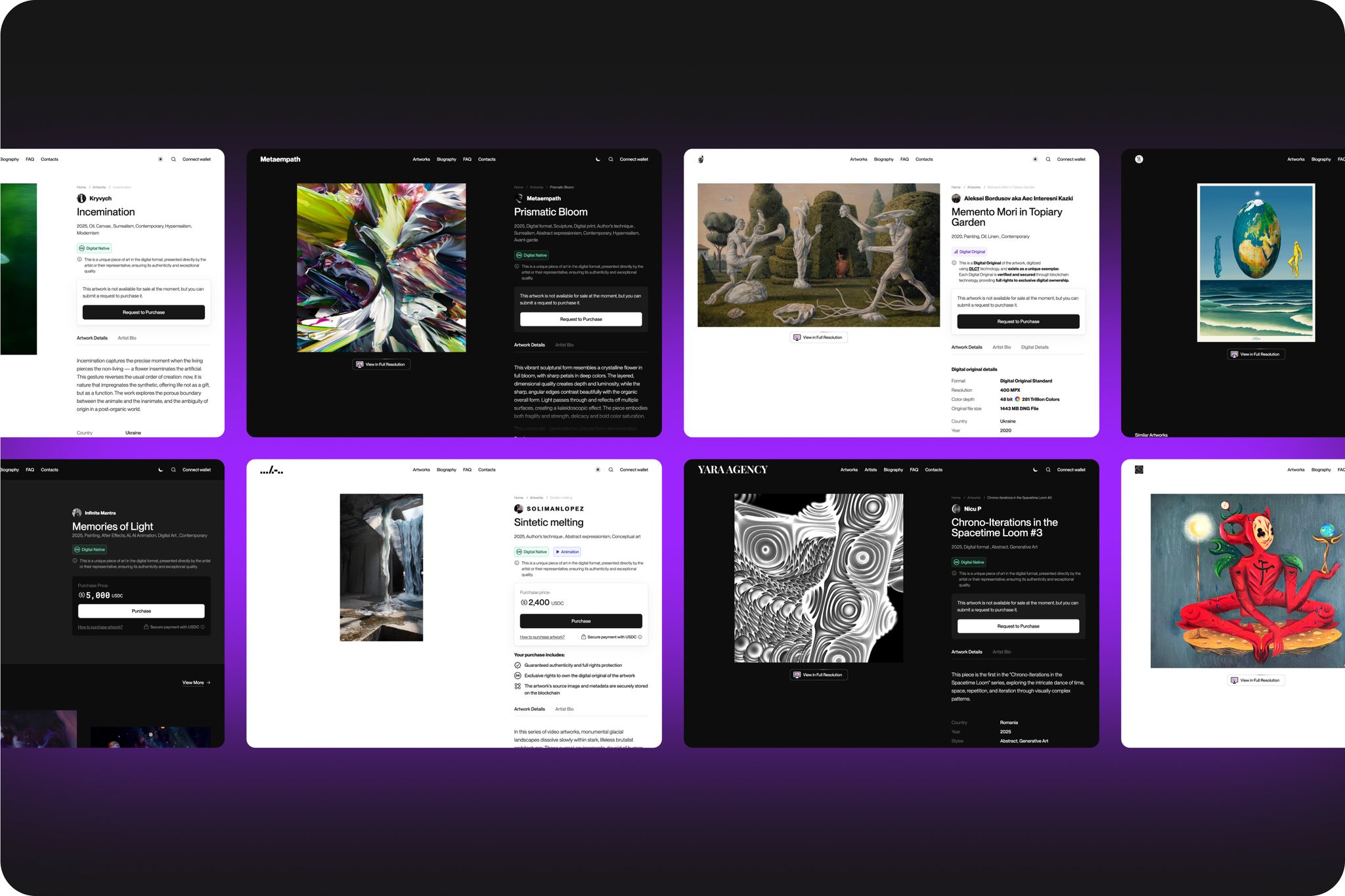
Top 10 Trends Shaping the Digital Art Market in 2025
- Direct-to-Collector Sales: Artists are bypassing galleries, selling directly through online platforms, and keeping more of their profits.
- AI in Art: AI tools are enabling faster, more accessible art creation and personalized curation.
- Blockchain & NFTs: Blockchain secures ownership, while NFTs provide new revenue models with built-in royalties.
- Gen Z & Millennial Buyers: Younger collectors prefer transparent pricing, direct artist connections, and digital-first experiences.
- Eco-Friendly Platforms: Green blockchain solutions and virtual exhibitions are reducing the environmental impact of digital art.
- Phygital Art: Hybrid experiences combine physical and digital art, appealing to both traditional and digital collectors.
- Private Sales Growth: Discreet, flexible transactions are gaining popularity, especially among younger buyers.
- Data Transparency: Analytics tools are helping artists price effectively and giving collectors confidence in purchases.
- Institutional Involvement: Museums, auction houses, and brands are legitimizing digital art and attracting new buyers.
- Market Growth: Valued at $5.8 billion in 2025, the market is projected to grow to $17.72 billion by 2032.
Digital platforms, blockchain, and AI are reshaping how art is created, sold, and collected. Artists and collectors who adapt to these trends now will be well-positioned for the future.
Why Digital Art Market Trends 2025 Matter
Keeping up with digital art trends is crucial for anyone navigating this rapidly changing space. These trends are reshaping how creators and collectors interact, offering fresh opportunities and redefining the art market.
Blockchain technology is rewriting the rules by enabling secure transactions and transparent provenance tracking. At the same time, NFTs have introduced entirely new revenue models and ownership structures. On another front, the global AI image generation market is expected to hit $1.3 billion by 2025, with a staggering annual growth rate of 35.7%.
Online art sales have grown significantly, making up 25% of the global art market in 2024. Digital artwork alone is valued at $5.8 billion in 2025 and is projected to soar to $17.72 billion by 2032, growing at a 17.3% compound annual growth rate. These numbers reflect not only a growing interest in digital art but also a shift in how art is bought and sold.
Younger buyers, particularly Gen Z and millennials, are driving this change. They prioritize features like seamless payment systems, verified digital ownership, and direct interactions with artists. These preferences are pushing digital platforms to innovate, offering global accessibility, transparent pricing, and 24/7 availability - advantages that traditional galleries often struggle to match.
For artists, embracing digital platforms means reaching a broader audience, cutting costs, and engaging directly with collectors. Tools like custom storefronts, direct sales features, and data analytics empower artists to make smarter marketing and pricing decisions while fostering closer connections with their audience.
The online art world has also democratized collecting. Location is no longer a barrier, allowing for global transactions and a more diverse group of collectors. This accessibility is a game-changer for artists aiming to reach international markets.
AI is making waves in the creative process, too. Techniques like generative design and style transfer are enabling personalized and collaborative artworks, giving collectors new ways to connect with the art they buy. Digital paintings, in particular, now account for over 25% of the digital artwork market in 2025, reflecting their growing appeal among collectors.
These advancements bring both opportunities and challenges, especially as tokenized art continues to evolve. By staying informed, creators and collectors can position themselves to thrive in this transformative era of digital art.
1. Digital Platforms and Online Art Sales
Digital platforms have reshaped the art world, becoming the backbone of how creators sell and collectors buy. The numbers speak volumes: online art sales now account for 25% of the total global art market. This shift has broadened access and redefined how transactions occur.
But this isn't just about moving sales online. Solutions like Digital Original, Art Basel's online fair, Sotheby's Online Auctions, and Artsy have created virtual spaces where geography is no longer a barrier. For instance, a collector in Kansas can now bid on pieces previously restricted to exclusive galleries in Manhattan.
Impact on the Digital Art Market
The digital transformation has made the art market more accessible, breaking down barriers that once excluded many. Today, the infrastructure supports a wide range of transactions, from affordable $50 digital prints to multi-million-dollar masterpieces.
The numbers highlight this growth. The digital artwork market hit $5.8 billion in 2025 and is expected to soar to $17.72 billion by 2032, growing at an annual rate of 17.3%.
Benefits for Artists and Collectors
This digital revolution has unlocked new opportunities for both artists and collectors. Artists can now reach a global audience directly, bypassing traditional intermediaries. They can set up their own storefronts, control pricing, and build relationships with collectors using integrated messaging tools. This direct-to-collector model not only increases their revenue but also helps them establish their personal brands.
Collectors, on the other hand, enjoy a seamless and transparent experience. They can explore emerging talent, participate in auctions, and make private purchases - all from the comfort of their homes. Younger generations, particularly Gen Z and Millennials, are driving this shift, as they are already accustomed to digital shopping experiences.
Emerging Technologies and Market Potential
Technology is playing a big role in shaping the future of digital art sales. AI-powered curation tools now recommend art based on individual tastes, while virtual and augmented reality allow collectors to visualize pieces in their own spaces before buying.
Blockchain technology has added a layer of trust by providing transparent and tamper-proof records of ownership and provenance. Advanced payment systems now support instant payouts in digital currencies like USDC and simplify international transactions by handling currency conversions, taxes, and fraud prevention automatically.
Meanwhile, immersive 3D art and hybrid digital-physical aesthetics are gaining momentum as platforms develop better tools to showcase complex works. Private and direct sales, valued for their flexibility and discretion, are also on the rise and expected to play a key role in the market's growth through 2025.
The rise of AI image generation technology, projected to grow to $1.3 billion by 2025 with an annual growth rate of 35.7%, is opening new doors for both creating and curating art. This blend of technologies is setting the stage for digital platforms to keep evolving and expanding.
2. Blockchain and Tokenized Art Ownership
Blockchain technology has transformed how we think about owning digital art. Unlike traditional digital files, which can be endlessly copied, blockchain introduces a way to prove ownership through unique digital certificates. This innovation has turned digital art into verifiable, collectible assets, laying the groundwork for significant changes in the art market.
At its core, blockchain functions by recording transactions on a distributed ledger that can't be altered. When you purchase tokenized art, you receive a secure digital certificate that confirms your ownership - one that can't be duplicated or tampered with.
Impact on the Digital Art Market
Tokenized art has opened up fresh revenue opportunities for artists. Thanks to smart contracts, creators can earn royalties automatically every time their work is resold. Blockchain's transparency also builds trust among buyers, as collectors can trace an artwork's ownership history, ensuring its authenticity and legitimacy.
Interestingly, recent trends show a shift in tokenized art sales. Buyers are now placing greater emphasis on long-term value and quality rather than engaging in speculative trading.
Relevance to Artists and Collectors
For artists, tokenization offers a new level of control over their creations. By embedding royalty terms directly into smart contracts, they can continue earning as their work appreciates in value. Blockchain-based platforms also empower artists to mint digital versions of their art, set their own prices, and receive immediate payments in digital currencies like USDC, all while sidestepping traditional gallery systems.
Collectors, on the other hand, gain significant advantages too. They can quickly verify the authenticity of a piece, transfer ownership with ease, and even display their digital collections in virtual galleries. Essentially, blockchain serves as a secure and transparent ledger of ownership, benefiting both creators and buyers.
New Technologies and Tools
Recent developments have made tokenization more accessible than ever. Layer 2 solutions, for example, have cut transaction costs, making it practical to purchase smaller or lower-priced artworks. Additionally, user-friendly minting tools now simplify the process of creating tokenized art, handling the technical blockchain aspects so artists can focus on their work.
Another exciting trend is fractional ownership. This concept allows multiple collectors to share ownership of high-value artworks, making premium pieces more accessible to a broader audience.
Market Growth Potential in 2025
The tokenized art market is maturing, moving past its early speculative stage. With advancements in blockchain infrastructure and a growing focus on improving user experience, the market is poised for steady growth by 2025.
3. NFT Market Changes
The NFT market has come a long way since its explosive rise in 2021. What began as a frenzy of speculative buying has shifted toward a focus on utility and long-term artistic value. This transformation is reshaping how collectors approach digital art, steering the market toward a more sustainable and value-driven future.
After the initial boom, trading volumes have leveled off, forcing the industry to prioritize enduring value over the quick, high-stakes profits that once dominated the space.
Impact on the Digital Art Market
The changes in the NFT market have redefined how digital art is valued and exchanged. With speculation taking a backseat, collectors are now paying greater attention to quality, artistic merit, and the reputation of creators. These factors are becoming central to how NFTs are appraised in today’s market.
While the days of jaw-dropping price tags for individual pieces may be less common, there’s a growing appetite for thoughtfully crafted digital art that reflects genuine skill and creativity. This shift has opened up opportunities for mid-tier artists to build more consistent and reliable income streams. Additionally, features like royalty payments embedded in smart contracts ensure that artists can continue earning from their work over time, providing a much-needed layer of financial security for those pursuing long-term careers in the space.
Relevance to Artists and Collectors
For artists, the evolving NFT landscape offers more stability and predictability. Viral moments are no longer the sole path to success. Instead, artists are focusing on cultivating meaningful connections with collectors, an approach that often leads to a stronger foundation for long-term achievements.
Collectors, on the other hand, are benefiting from clearer pricing structures and greater transparency. The cooling of the speculative bubble has made it easier to identify digital artworks with lasting value. Many collectors now approach NFTs with the same careful consideration they would apply to traditional art investments, weighing factors like rarity, craftsmanship, and the creator’s reputation before making a purchase.
New Technologies and Tools
Advances in technology have addressed many of the early challenges faced by the NFT market. Solutions like Polygon and Arbitrum have significantly reduced transaction costs, while improved cross-chain compatibility allows NFTs to move more easily between blockchain networks. This increased flexibility has boosted liquidity and reduced the risks of being locked into a single platform.
Additionally, better metadata standards and more reliable file storage systems have resolved concerns about the long-term accessibility of digital artworks. Issues like link rot and disappearing images are becoming less of a worry, ensuring that collectors can trust the longevity of their investments.
Market Growth Potential in 2025
Looking ahead to 2025, the NFT market appears primed for steady growth. While another speculative bubble seems unlikely, interest from serious collectors is expected to drive gradual expansion. The emphasis on utility and artistic quality is creating a solid foundation for the market’s future.
Integration with the traditional art world is also gaining momentum. Major auction houses are increasingly featuring NFT sales, and digital art is finding its way into gallery exhibitions. This growing acceptance by mainstream art institutions, along with the rise of institutional collectors like museums, corporations, and investment funds, is lending the NFT market greater credibility and stability. These developments are not only transforming the digital art scene but also solidifying NFTs’ place in the broader art ecosystem.
4. AI in Art Creation and Curation
Artificial intelligence has evolved from being a curiosity to becoming a cornerstone in the digital art world. Today, AI is revolutionizing how artists create, how galleries curate, and how collectors discover new works. This technological shift is reshaping the digital art market in 2025, influencing everything from artistic expression to market dynamics.
AI's Role in Art Creation
AI has opened up artistic expression to a much broader audience. Artists are no longer limited to traditional methods or their technical skills. Instead, they’re using AI tools not just to generate complete pieces but to enhance their creative processes, explore novel styles, and push the boundaries of digital media. This evolution is setting the stage for changes in how art is priced and valued in the market.
Impact on the Digital Art Market
AI’s influence on the digital art market goes far beyond generating images. It’s altering how artworks are priced, authenticated, and traded, impacting everyone involved in the ecosystem.
For collectors, one of the challenges is determining the value of AI-assisted works compared to those created entirely by human hands. While some AI-generated pieces have fetched high prices, others struggle to gain traction as buyers question their artistic authenticity. This has led to distinct market segments, with different pricing models and collector preferences.
On the other hand, accessibility has skyrocketed. Artists who once lacked the technical know-how to create digital art can now produce sophisticated pieces using AI platforms. This has brought a wave of new creators into the market, increasing competition but also expanding the diversity of available works.
However, the rise of AI has also introduced new challenges with authentication. As AI makes it easier to replicate styles or create convincing forgeries, verification systems are evolving. These systems now track not just ownership but also the creative process, including details about the AI tools used and how they were applied. These changes are forcing both artists and collectors to rethink their approach to creating and acquiring digital art.
Opportunities and Challenges for Artists and Collectors
For artists, AI is both a tool and a disruptor. Many are finding that it enhances their creative abilities rather than replacing them. With AI, artists can prototype ideas, experiment with styles, and refine their work faster than ever before.
Tasks that once consumed hours, like generating backgrounds or creating textures, can now be completed in minutes. This newfound workflow efficiency allows artists to focus more on developing their concepts and perfecting their vision. By integrating AI, artists can streamline production while maintaining their creative control.
Collectors, meanwhile, are adapting their approach to evaluating art. They’re learning to appreciate the nuanced ways artists use AI as part of their process. When it comes to investment decisions, the most sought-after AI-assisted pieces are those that clearly reflect human creativity and direction, rather than being purely machine-generated.
Advancements in AI Art Tools
The tools available for AI-driven art have advanced rapidly. Generative AI platforms now offer features like advanced style transfer, 3D modeling, and real-time collaboration. These capabilities enable artists to refine their work on the fly, blending their creative instincts with AI's computational power.
Curation algorithms are also becoming more advanced. Galleries and platforms are using these tools to identify emerging trends and connect artworks with collectors. These algorithms go beyond analyzing visual elements - they also consider themes, emotional impact, and market data to make personalized recommendations.
A growing trend is the use of hybrid workflows, where artists combine traditional digital techniques with AI at specific stages of their process. This approach keeps human creativity at the forefront while leveraging AI's strengths for tasks like rendering or pattern generation.
Market Growth in 2025
The AI art market is poised for growth in 2025, driven by several factors:
- Institutional interest: Major galleries and museums are starting to include AI-assisted artworks in their exhibitions, signaling broader acceptance.
- Education: Art schools are integrating AI tools into their programs, creating a new generation of artists who see AI as a natural extension of their creative toolkit.
- Corporate demand: Businesses are commissioning AI-assisted art for branding, marketing, and interior design, offering artists new income opportunities.
The collector market is also evolving. Buyers are developing more refined tastes, distinguishing between different levels of AI involvement in the creative process. This has led to the emergence of multiple market niches, each catering to specific preferences.
Additionally, cross-platform integration is improving. Artists can now seamlessly incorporate AI-generated elements into works sold across various digital platforms. This interoperability is reducing technical barriers, making it easier for AI-assisted artworks to reach a wider audience.
Much like blockchain and NFTs, AI is reshaping the digital art world, transforming how art is created, curated, and collected. It’s an exciting time for both creators and collectors, as the boundaries of what’s possible in digital art continue to expand.
5. Growth of Private and Direct Sales
With the rise of digital tools and a push for greater transparency, private and direct sales are taking the spotlight in the art world. The shift away from traditional auction houses and galleries is transforming how artists and collectors interact. This new approach offers artists more control, better profit margins, and customized experiences for buyers.
Following a 20–30% slowdown in the art market during 2024, private sales have become a driving force for recovery in 2025. Both artists and collectors are finding that direct transactions provide the discretion, flexibility, and personal touch they value most.
Impact on the Digital Art Market
Private and direct sales are breaking down barriers in the digital art space by cutting out intermediaries. Today, online art sales make up about 25% of the global art market. This shift is making the market more fluid and accessible, enabling collectors to discover new talent without navigating traditional gatekeepers.
Digital platforms are also addressing long-standing issues of transparency. Unlike the opaque bidding processes of auction houses, direct sales platforms offer clear pricing, which builds trust between artists and buyers.
Relevance to Artists and Collectors
For digital artists, direct sales mean keeping a larger share of their earnings, as they avoid the hefty commissions charged by galleries. This is especially beneficial for up-and-coming artists looking to sustain their careers financially.
These sales also allow artists to connect directly with collectors, fostering long-term relationships. Artists can share their creative journey, discuss their work in detail, and even offer personalized experiences - all without intermediaries standing in the way.
On the other side, collectors - particularly Gen Z and Millennials - are driving the demand for direct transactions. They appreciate the convenience and transparency of digital platforms, as well as the opportunity to engage directly with the creators. Privacy-conscious buyers are also drawn to private sales for their discreet nature and exclusive access to new art pieces. The evolving relationship between artists and collectors is further supported by cutting-edge technologies that streamline the sales process.
New Technologies and Tools
Modern platforms are introducing tools that make private sales more secure and seamless. Blockchain technology ensures authenticity and provides a traceable record of ownership, while secure payment gateways remove traditional transaction hurdles. For instance, artists can now receive payments in stablecoins like USDC within minutes, bypassing the delays of standard payment processing.
Virtual viewing rooms are another innovation, offering collectors an immersive gallery-like experience online. Additionally, smart contracts are revolutionizing royalty payments, automatically compensating artists for secondary sales and creating ongoing revenue opportunities.
Market Growth Potential in 2025
With these technological advancements, the digital art market is poised for significant growth in 2025. Projections estimate the market will reach $5.8 billion, with private sales taking an increasingly larger share. Artists are using custom storefronts and advanced tools to maximize their earnings and strengthen their brand presence.
Digital paintings, in particular, remain a dominant category, accounting for over 25% of the digital art market. Their popularity highlights how well they lend themselves to direct sales channels. Looking further ahead, the market is expected to reach $17.72 billion by 2032, growing at a compound annual rate of 17.3%.
6. Gen Z and Millennial Collectors Drive Demand
Younger collectors are shaking up the digital art world with their tech-savvy habits and desire for direct connections with artists. Together, Gen Z and Millennials are bringing fresh energy and considerable purchasing power, reshaping how digital art is bought, sold, and valued.
Having grown up with smartphones and social media, this group expects smooth online experiences and doesn’t hesitate to make significant purchases through digital platforms. Unlike traditional collectors who rely on galleries or auction houses, these younger buyers actively discover and connect with artists on platforms like Instagram, TikTok, and other specialized digital art sites. This shift is not just about convenience - it’s redefining the tools and technologies used in the art market.
Impact on the Digital Art Market
Gen Z and Millennials are driving a move toward mobile-first buying and digital discovery. Social media has become their go-to space for finding new artists, which contrasts sharply with older collectors who still lean on traditional galleries.
This generation is also pushing for more transparent pricing. While the art world has long operated on a "price upon request" model, younger buyers prefer clear, upfront pricing. This demand is encouraging platforms to adopt standardized pricing practices.
Authenticity matters deeply to these collectors. They’re not just buying art - they’re buying into a story. They want to know the artist’s background, the creative process, and, if possible, connect directly with the creator. This emphasis on storytelling is influencing how art is marketed and sold.
Relevance to Artists and Collectors
For digital artists, this shift means building direct, interactive relationships with their audience. Younger collectors engage actively through comments, direct messages, and even virtual studio visits, showing a genuine interest in the journey behind the artwork.
Artists are noticing that a growing share of their sales comes from collectors under 40. These connections are helping emerging artists build loyal followings, which can be a game-changer for their careers.
Additionally, younger buyers value flexible payment options and modern purchasing methods. They’re comfortable using cryptocurrency, paying in installments, or making instant digital transfers. Many also prefer acquiring smaller, more personal pieces that align with their interests, such as supporting underrepresented artists or works that prioritize sustainability.
New Technologies and Tools
Younger collectors are quick to adopt tools that make the art-buying experience more engaging. Augmented reality (AR) tools let them preview how a piece will look in their space before purchasing, while virtual reality (VR) gallery tours offer remote access to exhibitions.
Tech like smart contracts is gaining traction among these buyers, as it ensures fairness by guaranteeing artists receive royalties from secondary sales. Blockchain technology also appeals to their need for secure and transparent methods to verify the authenticity of artworks.
Platforms optimized for mobile use are meeting their high expectations. Fast loading times, easy navigation, and smooth checkout processes are essential. Social features, like the ability to share purchases, follow artists, and explore curated feeds, add another layer of engagement, making the entire experience more interactive.
Market Growth Potential in 2025
As these trends continue, the spending power of younger collectors is set to drive significant market growth. With Millennials entering their peak earning years and Gen Z establishing themselves in the workforce, these generations are likely to dominate digital art purchases.
Their preference for digital-native experiences is expanding the market, with many now viewing digital art as just as valuable as physical art. Subscription-based models are also gaining momentum, offering artists a steady income stream while giving collectors ongoing access to new works and exclusive experiences. This shift is setting the stage for a thriving digital art market in the years to come.
7. Eco-Friendly Art Platforms
The growing focus on environmental responsibility is pushing digital art platforms to adopt sustainable practices that reduce energy consumption and carbon emissions. These green initiatives are quickly becoming a major selling point, as more people consider sustainability when making purchasing decisions.
This shift is largely driven by concerns over the environmental impact of blockchain technology and digital infrastructure. Traditional proof-of-work systems require massive amounts of energy, prompting platforms to explore alternatives like proof-of-stake blockchains and carbon offset programs. These efforts are starting to reshape the digital art landscape.
Impact on the Digital Art Market
Eco-friendly platforms are making waves by prioritizing sustainable practices and lowering the environmental impact of digital transactions. This push toward greener solutions has also inspired new market segments centered on nature-themed art and environmental advocacy. Platforms that emphasize their green credentials are connecting with buyers who want their choices to reflect their values.
For example, over 55% of galleries are expected to expand their digital offerings by 2025, including hosting virtual exhibitions. These online events significantly cut down on the need for travel and shipping, reducing the carbon footprint of art shows and fairs. This digital-first approach not only supports eco-friendly platforms but also proves that virtual experiences can be just as engaging as physical ones.
Relevance to Artists and Collectors
For artists, eco-friendly platforms provide an opportunity to align their creative work with their environmental values. These platforms allow creators to connect with audiences who prioritize sustainability, making their art a statement of shared principles.
Collectors also stand to benefit by supporting platforms committed to responsible practices. Many platforms now offer transparency about their energy usage and carbon offset efforts, which can influence purchasing decisions. In 2024, 62% of young collectors discovered new artists online, and 38% made purchases through digital channels. This trend suggests that sustainability features could play a key role in shaping buying behavior.
Platforms that release sustainability reports and collaborate with environmental organizations further build trust by showing a genuine commitment to reducing the ecological impact of digital art transactions.
New Technologies and Tools
To address environmental concerns, platforms are adopting energy-efficient blockchain protocols, integrating carbon offsets, and using green hosting solutions. Proof-of-stake blockchains, for instance, have become a popular choice because they consume far less energy than traditional proof-of-work systems.
Some platforms go a step further by partnering with environmental organizations to certify their practices and offer verified carbon offset programs. These collaborations lend credibility and demonstrate a real dedication to environmental responsibility, avoiding the pitfalls of superficial greenwashing.
Additionally, advanced virtual exhibition tools now enable immersive art experiences without the environmental costs of physical events. Green hosting solutions powered by renewable energy further reduce the carbon footprint associated with storing and displaying digital art. These innovations are paving the way for the continued growth of eco-friendly art platforms.
Market Growth Potential in 2025
The digital art market is on track to hit $5.8 billion in 2025, with a projected compound annual growth rate of 17.3% through 2032, reaching $17.72 billion by that year. Eco-friendly platforms are expected to carve out an increasing share of this growing market as sustainability becomes a critical factor for buyers.
Younger generations, particularly Gen Z and Millennials, are driving this trend. These collectors actively seek platforms that align with their values, and features like carbon-neutral transactions and nature-inspired art collections are often deciding factors in their choices.
As the importance of sustainability grows, traditional platforms are facing pressure to adopt greener practices. Early adopters of eco-friendly technologies are positioning themselves to capture market share from competitors that lag behind. Experts predict that platforms embracing green technologies and offering transparent practices will continue to attract more users. In this evolving market, sustainability is no longer just an ethical consideration - it’s becoming a strategic advantage for long-term success in the digital art world.
sbb-itb-4e84554
8. Data Analytics and Market Transparency
The digital art market is evolving, and data analytics is at the heart of this transformation. Advanced tools now offer real-time insights into pricing, sales trends, and collector behavior, making the market more open than ever before. This shift is reshaping how artists price their work and how collectors decide what to buy.
In the past, traditional art markets often kept pricing details under wraps. But digital platforms are flipping the script by providing detailed market data, which not only builds trust but also encourages participation from those who might have been hesitant to engage. This new level of transparency is creating ripple effects throughout the industry.
Impact on the Digital Art Market
Data analytics is changing the game when it comes to price discovery. Tools that track real-time sales, historical pricing, and market trends help establish fair values for digital art, taking much of the guesswork out of pricing. Platforms now offer metrics like average sale prices and collector demographics, giving everyone a clearer picture of how the market operates.
This transparency is also catching the attention of institutional investors. Armed with detailed analytics, they can make informed decisions, spot emerging artists, and predict market trends. Their involvement brings in more capital, further fueling the growth of the digital art space.
Why It Matters for Artists and Collectors
For artists, having access to detailed market data is a game-changer. Instead of relying on intuition, they can price their work based on actual performance data. Analytics platforms reveal which styles and price ranges are resonating with collectors, helping artists fine-tune their creative and pricing strategies. Over time, tracking this data allows artists to better understand their audience and adapt accordingly.
Collectors also reap the benefits of transparent pricing. Tools like historical price charts and trend analyses give them the context they need to make confident purchasing decisions, reducing the risk of overpaying. These platforms also help collectors discover rising talent by highlighting artists whose work is gaining traction.
Cutting-Edge Tools and Technologies
Artificial intelligence and machine learning are now processing massive amounts of market data to uncover patterns and predict future trends. These technologies pull from multiple sources, offering insights that go beyond what manual analysis could achieve. Meanwhile, blockchain analytics tools provide detailed transaction histories and ownership records, simplifying the process of verifying an artwork’s provenance.
Real-time dashboards aggregate data from various sources, displaying pricing trends, sales volumes, and collector activity in one place. Additionally, smart contract analytics shed light on royalty payments, secondary sales, and revenue distribution, ensuring artists receive fair compensation for their work even after the initial sale.
Growth Potential by 2025
The growing demand for transparency tools is driving major investments in analytics platforms tailored to digital art. These tools are quickly becoming essential for a thriving market. New features like predictive modeling, sentiment analysis, and cross-platform comparisons are attracting professional art advisors and institutional investors. As transparency becomes a key advantage, platforms offering comprehensive market data are expected to draw more users and boost sales significantly.
9. Phygital Art and Hybrid Experiences
The boundary between physical and digital art is fading quickly. Phygital art merges these two worlds, offering collectors a chance to engage with art both online and in person. This blended approach is reshaping how art is bought, displayed, and experienced in 2025.
Phygital works go beyond traditional paintings or digital files. They often pair physical pieces with digital counterparts, such as NFTs or augmented reality elements. For instance, an NFT might grant ownership of both a digital file and a physical collectible. This multidimensional approach caters to collectors who want an immersive experience, combining the tactile appeal of physical art with the versatility of digital platforms. Building on the momentum of the digital art market, this evolution is redefining collector experiences.
Impact on the Digital Art Market
Phygital art is broadening the scope of the art market, drawing in both traditional art enthusiasts and digital-first buyers. The market is seeing steady growth, with hybrid experiences making art more engaging and accessible across various demographics. Events like those hosted by Art Basel, which mix in-person viewing with digital elements, have successfully increased participation and sales.
This trend is also breaking down barriers for global audiences, providing access to those who might never step into a conventional gallery. By blending physical and digital experiences, it appeals to both seasoned collectors and younger, tech-savvy buyers, significantly expanding the market's reach.
Relevance to Artists and Collectors
For artists, phygital art opens up fresh creative pathways and new income opportunities. Using tools like augmented and virtual reality, along with NFTs linked to physical works, artists can connect with audiences who appreciate both innovation and tangible art. Collectors, on the other hand, gain added benefits like blockchain-backed authenticity and provenance tracking. They can enjoy art in multiple formats - online, in person, or through immersive technologies - offering a richer, more versatile experience. This dual appeal is particularly attractive to younger collectors who value unique, interactive art.
New Technologies and Tools
Technologies like AR, VR, and blockchain are driving the rise of phygital art, enabling layered, interactive experiences that merge the physical and digital. AR apps allow users to visualize digital art in their homes with just a smartphone, while VR provides fully immersive gallery experiences from the comfort of one’s living room. These tools are also making waves in industries like gaming, film, and interactive media, where 3D art is becoming a major feature. Blockchain ensures verifiable ownership of both physical and digital components, while AI tools are empowering artists to create personalized, interactive works. Many platforms now support hybrid exhibitions and sales, making it easier for artists and galleries to embrace this new frontier.
Market Growth Potential in 2025
As hybrid sales models and immersive technologies continue to advance, phygital art is set for widespread growth. Younger generations, particularly Millennials and Gen Z, are driving the demand for these interactive experiences. With AR and VR expanding into sectors like education, healthcare, and virtual events, the technology is becoming more accessible, reducing barriers for both artists and collectors. This growing accessibility is fueling the momentum behind hybrid art, positioning it as a key trend in the art world for years to come.
10. Institutional and Brand Adoption
In recent years, the involvement of institutions and major brands has added a new layer of credibility to the digital art market. Museums, auction houses, and global brands are stepping into this space, bringing their influence and resources to help legitimize it. This growing support from established players has been pivotal in pushing digital art into the mainstream.
It’s not just about their presence - it’s about the message it sends. When names like Sotheby’s and Christie’s hold NFT auctions or luxury brands release digital art collections, they’re signaling to collectors and investors that digital art isn’t a fleeting trend. Instead, it’s a space with staying power and investment potential.
Impact on the Digital Art Market
Institutional participation has been a game-changer for digital art, helping to address credibility concerns and attract traditional collectors who were previously hesitant. The numbers reflect this shift: the digital art market is expected to reach $5.8 billion by 2025.
Auction houses like Sotheby’s and events like Art Basel’s online fairs are drawing younger, tech-savvy collectors while maintaining the prestige associated with their names. This blend of tradition and innovation is making digital art more appealing to a broader audience.
Moreover, the involvement of trusted institutions is creating a more secure and transparent market. By using blockchain for authentication and provenance tracking, these players are helping to reduce fraud and increase buyer confidence.
Relevance to Artists and Collectors
For artists, partnerships with institutions and brands open up new opportunities. Being featured in digital exhibitions or collaborating with global brands can drastically increase their exposure and market value. These partnerships often come with access to marketing resources and established collector networks, offering artists a platform they might not have otherwise.
Collectors stand to benefit as well. When a museum or auction house backs a digital artwork, it often comes with thorough provenance verification and blockchain-based ownership records. This level of authentication makes digital art a more appealing and secure investment, especially for those who value traditional market standards.
Additionally, branded NFT drops and exclusive exhibitions create unique opportunities for collectors. These limited releases often combine the appeal of digital innovation with the prestige of a well-known brand, making them highly desirable.
New Technologies and Tools
Institutions and brands are leveraging cutting-edge technologies to enhance their digital art offerings. Blockchain ensures secure ownership and provenance tracking, while AI tools are being used to curate collections and create personalized experiences for collectors. Augmented reality (AR) and virtual reality (VR) are also playing a role, enabling immersive exhibitions that merge physical and digital worlds. On top of that, data analytics is helping institutions understand market trends and refine their strategies. Together, these tools are not just enhancing the current market but also paving the way for future growth.
Market Growth Potential in 2025
The digital art market is projected to grow at a compound annual growth rate of 17.3% from 2025 to 2032. Institutional and brand involvement is expected to be a major driver of this growth, bringing increased investment and global reach.
Younger generations, particularly Gen Z and Millennials, are fueling much of this demand. To cater to these tech-savvy audiences, institutions are launching mobile-friendly platforms, interactive social media campaigns, and engaging digital art experiences.
Experts foresee continued collaborations between artists, brands, and institutions, with more innovative exhibitions and branded digital art launches on the horizon. This sustained interest is cementing digital art’s place as a key part of the global art market’s future.
Pros and Cons of Tokenized Art Revenue Streams
Tokenized art revenue streams are changing the way artists monetize their work and how collectors invest in art. By using blockchain technology, these platforms allow for direct transactions between artists and collectors, while also improving transparency and efficiency.
Let’s break down the advantages and challenges of tokenized art platforms like Digital Original.
Advantages of Tokenized Art Platforms
Tokenized art platforms come with several benefits that stand out from traditional art markets:
- Instant Payments in USDC: Artists receive their earnings immediately after a sale, avoiding the long payment delays often associated with traditional systems.
- Global Reach: With a digital storefront, artists can connect with collectors worldwide, removing geographic barriers.
- Verified Ownership: Blockchain technology ensures secure, tamper-proof digital certificates of ownership.
- Built-in Royalties: Smart contracts automatically pay artists royalties every time their work is resold, ensuring ongoing income.
- Lower Platform Fees: Platform fees typically range from 5% to 15%, which is more competitive than traditional gallery commissions.
- Direct Collector Engagement: Artists can engage directly with collectors through integrated communication features, building stronger relationships.
Challenges of Tokenized Art Revenue Streams
While the benefits are compelling, there are some hurdles to consider:
- Market Volatility: The value of digital art can swing dramatically, leading to unpredictable returns for both artists and collectors.
- Technical Barriers: Setting up digital wallets and understanding blockchain technology can be daunting for those new to the space.
- Regulatory Uncertainty: Legal frameworks around digital ownership and taxation are still evolving, making compliance a complex task.
Flexible Revenue Models
One of the standout features of tokenized platforms is their flexibility. Artists can choose from various sales models, such as auctions for high-demand works or fixed-price listings for broader accessibility. The inclusion of ongoing royalties means that a successful piece can continue generating income long after its initial sale. Thanks to smart contracts, these transactions are automated, removing the need for manual processes.
Expanding Market Accessibility
Tokenized art is opening up the market in ways that traditional systems cannot. Artists no longer need gallery representation to connect with serious collectors, and buyers can start collecting art at more affordable price points. This shift creates a more inclusive environment where both emerging and established artists can thrive.
Key Takeaways
The digital art market is evolving rapidly, offering exciting opportunities for artists, collectors, and galleries alike. With the market projected to grow from $5.8 billion in 2025 to an impressive $17.72 billion by 2032, the time to embrace these changes is now.
Artists stand to benefit significantly by prioritizing digital platforms. Currently, online platforms account for 25% of the global art market, providing artists with direct access to a worldwide audience, bypassing traditional gatekeepers. Emerging technologies like AI and blockchain are transforming the creative process and financial landscape for artists. For example, blockchain-enabled smart contracts ensure automatic royalty payments on future sales, while platforms offering instant payouts in stable currencies like USDC eliminate the stress of payment delays.
Collectors are also seeing advantages in this digital shift. Blockchain technology provides verified ownership and transparent data analytics, helping collectors make informed decisions while tracking market trends. Additionally, private sales are becoming increasingly popular, especially among younger buyers. In fact, 62% of younger collectors discover artists online, highlighting the importance of digital visibility.
Galleries are adapting by embracing digital storefronts and virtual exhibitions, which are proving to be effective in engaging a younger audience. Over 55% of galleries are expanding their digital content offerings, incorporating live-streamed talks, 3D virtual experiences, and hybrid approaches that attract Gen Z and Millennial collectors while maintaining connections with traditional buyers.
Sustainability and innovation are also shaping the market. Eco-conscious platforms and nature-inspired digital art resonate with buyers who prioritize environmental values. Meanwhile, "phygital" experiences - blending physical and digital elements - are creating new ways to collect and engage with art. Artists who align their work with these trends can tap into the growing demand from environmentally conscious audiences.
Market volatility remains a factor to watch. While tokenized revenue streams present exciting opportunities, they come with inherent risks. However, digital platforms are leveling the playing field, allowing emerging artists to connect with serious collectors without the need for gallery representation. Established artists, on the other hand, can experiment with innovative revenue models. Collectors benefit too, with the ability to start building collections at more accessible price points, while galleries expand their reach beyond physical boundaries.
Acting early is key. Those who embrace blockchain, AI tools, and direct sales models now are already gaining a competitive edge. The decisions you make today will shape your trajectory as this market continues to grow through 2032.
Conclusion
The digital art market is booming, with projections showing massive growth through 2032. These ten trends aren't just forecasts - they’re actively reshaping how artists connect with buyers, how collectors discover new pieces, and how galleries operate in this evolving landscape.
Now is the time to take action. Artists and galleries embracing digital platforms are already seeing results. With online art sales now accounting for 25% of the global art market and younger generations increasingly turning to the internet to find art, the digital shift isn’t just on the horizon - it’s already here.
Forward-thinking creators and businesses are combining emerging trends to thrive. They’re using AI tools to push creative boundaries, relying on blockchain for secure ownership verification, and leveraging direct sales platforms to connect with collectors worldwide. At the same time, they’re adopting eco-friendly practices that appeal to environmentally conscious buyers, aligning their values with market demands.
Don’t wait - whether you’re an emerging artist or an established gallery, you can start benefiting from these trends today. The tools and platforms to build your digital presence are readily available. Many successful artists and galleries are already experimenting, adapting, and growing in this dynamic space.
Digital platforms are leveling the playing field like never before. The question isn’t whether to join this movement - it’s how quickly you can position yourself to take advantage of it.
This blend of technology and market demand gives you the power to turn creativity into profit. Ready to take the leap? Try Digital Original - launch your digital art storefront today, risk-free and with no coding required.
FAQs
How is blockchain technology revolutionizing the digital art market?
Blockchain technology is transforming the digital art world by offering secure and transparent ownership through NFTs, or non-fungible tokens. These tokens serve as digital proof of authenticity, guaranteeing that every piece of art is both unique and verifiable.
This approach minimizes the risk of forgery, strengthens trust between buyers and sellers, and makes it easier to trace an artwork's history. By 2025, blockchain is projected to enhance the reliability and ease of digital art transactions, allowing artists to directly reach collectors while protecting their work.
How are Gen Z and Millennials influencing the future of the digital art market?
Gen Z and Millennials are shaking up the digital art world, bringing fresh energy and new priorities to the table. These tech-savvy generations have a strong affinity for digital-native art forms like NFTs and phygital art - which combine physical and digital elements to create unique experiences. With their deep connection to technology, they’re naturally drawn to online platforms and social media, making it easier for them to discover and buy art directly from digital marketplaces.
What sets these younger collectors apart is their focus on values. They’re not just looking for visually appealing pieces - they want art that aligns with ideas like sustainability and inclusivity. They’re also more willing to champion emerging artists, creating opportunities for fresh voices to thrive. This generational shift is redefining how art is created, marketed, and collected, placing digital art at the forefront of the industry’s evolution.
How do eco-friendly platforms support sustainable digital art transactions?
Digital art platforms are reshaping the way transactions happen by focusing on sustainability. A key part of this shift is the use of energy-efficient blockchain technologies like Tezos, which require far less energy compared to traditional blockchains. Beyond this, these platforms promote environmentally mindful practices, such as using augmented reality (AR) to cut down on the need for physical materials and embracing hosting solutions designed with eco-consciousness in mind. These combined efforts aim to reduce the environmental footprint tied to creating, selling, and collecting digital art.


