Two Art Worlds, One Future: How Digital and Traditional Markets Can Finally Connect


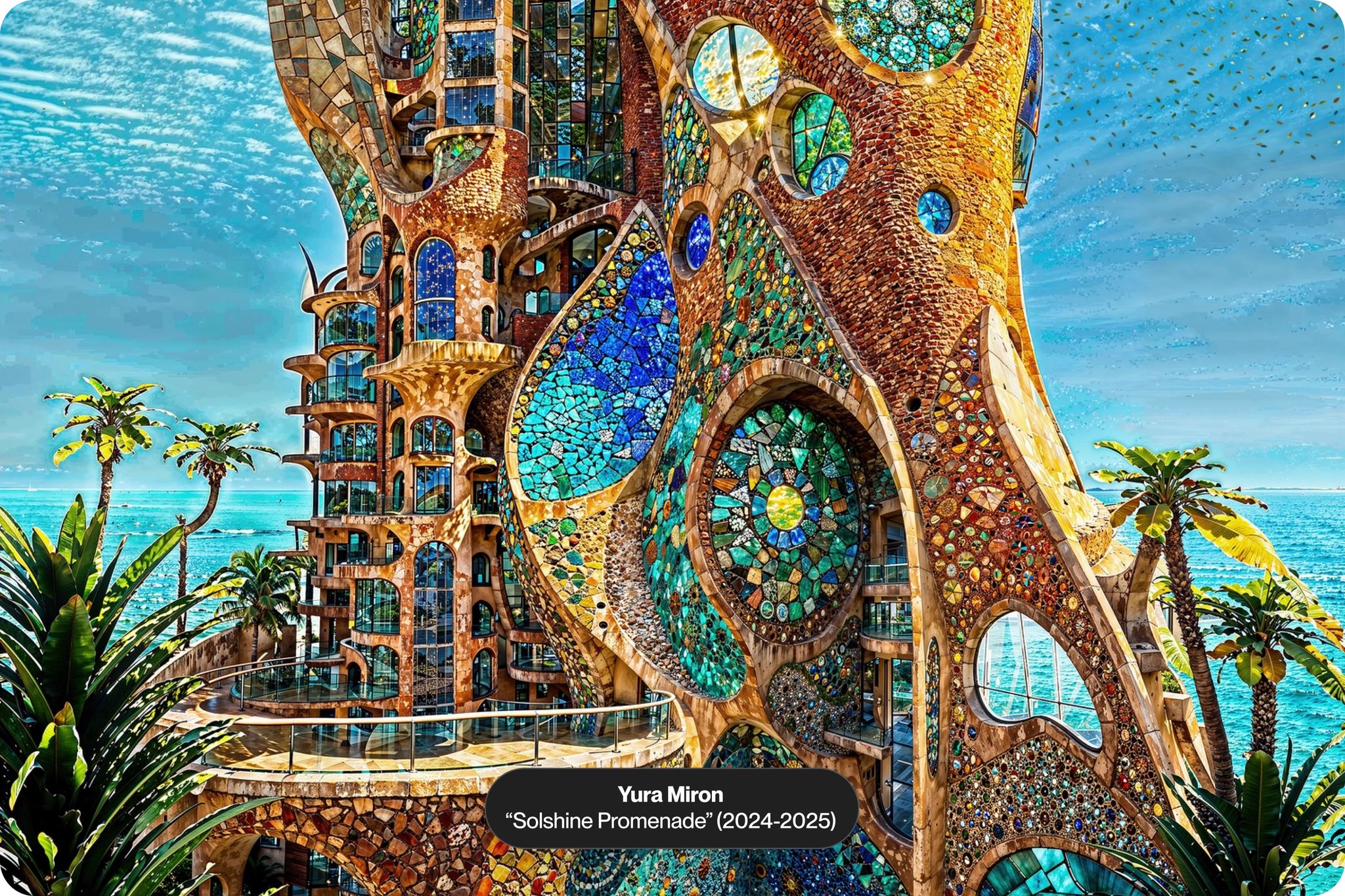
Two Art Worlds, One Future: How Digital and Traditional Markets Can Finally Connect
The art world is evolving, and blockchain technology is the key to connecting physical and digital art markets. Here's why it matters:
- Physical art relies on galleries and paper certificates but struggles with global reach and transparency.
- Digital art thrives online but faces skepticism, especially around ownership and authenticity.
Blockchain bridges these gaps by creating secure, permanent records for both physical and digital works. It automates royalties, ensures authenticity, and makes transactions faster and more reliable.
For artists and galleries, this means new revenue opportunities, like fractional ownership and hybrid exhibition models. For collectors, it offers a safer, more transparent way to buy and sell art.
This shift isn’t just about technology - it’s about creating a unified system where both markets thrive together.
How Blockchain Connects Digital and Physical Art Markets
Blockchain technology acts as a bridge between the digital and traditional art markets, helping both sides communicate in a way that's clear and trustworthy. It preserves the unique qualities of each market while creating a shared system they can both rely on.
At its core, blockchain creates permanent, tamper-proof records. For instance, when a gallery tokenizes a physical painting, the resulting digital certificate becomes a dependable record of the piece. This connection is built on three key principles: transparency, automation, and verification of authenticity. Together, these principles enable blockchain to serve as a unifying tool for the art world.
Blockchain Basics for Art Markets
Imagine blockchain as a public digital ledger where every transaction is visible and secure, but tampering is impossible. Each entry - whether it's a sale, a change in ownership, or a record of provenance - is stored in chronological blocks, forming an unalterable chain of data.
For the art world, this means every piece can have a comprehensive digital record. A traditional oil painting, for example, could have its ownership history, exhibition details, and authenticity certificates stored on the blockchain. Similarly, digital artworks can include creation dates, artist signatures, and transfer records, all securely logged.
What makes this system so effective is its decentralized structure. No single gallery, auction house, or platform controls the data. Instead, collectors and artists can rely on a unified system to verify authenticity, trace ownership, and ensure legitimate transactions across both digital and physical art markets.
Smart Contracts and Automatic Royalties
Smart contracts bring automation to the art world, simplifying transactions and addressing a key difference between traditional and digital art sales: ongoing artist compensation.
In traditional markets, artists typically receive a one-time payment when their work is sold. Digital art, however, introduced the concept of automatic royalties. With smart contracts, this system can now function seamlessly across both markets.
Here’s how it works: when an artist tokenizes their work using a smart contract, they can set up automatic royalty payments. Each time the artwork changes hands, the contract ensures the artist receives their share. This applies equally to physical sculptures and digital animations, as the smart contract executes the terms regardless of the medium.
Smart contracts also eliminate the delays often associated with traditional transactions. Instead of waiting weeks for paperwork, bank transfers, and verifications, payments are processed instantly once the conditions are met. This creates a smoother, faster experience for everyone involved.
While smart contracts streamline payments, blockchain also strengthens the process of verifying authenticity, a critical aspect for both markets.
Using Blockchain to Verify Art Authenticity
Blockchain’s ability to authenticate artworks is a game-changer for bridging the gap between digital and traditional markets. Trust is often a sticking point - traditional collectors might doubt the originality of digital art, while digital collectors may question the verification process for physical pieces. Blockchain tackles both concerns head-on.
For physical artworks, blockchain replaces traditional paper certificates with immutable digital records. Provenance and authenticity details are securely stored, creating a certificate that stays with the artwork, no matter where it goes.
Digital artworks, on the other hand, benefit from cryptographic signatures. These act like digital fingerprints, proving that a specific file was created by the artist at a certain time. These signatures are unique, impossible to forge, and permanently tied to the creator. Collectors can verify them in much the same way they would check traditional authenticity certificates.
This unified system means collectors can use the same tools to verify both a centuries-old painting and a cutting-edge digital creation. By standardizing the authentication process, blockchain makes it easier for collectors to navigate both markets, fostering trust and encouraging growth in the art world.
Step-by-Step Guide for Artists, Galleries, and Collectors
Blockchain technology offers a transparent foundation for the art world, and tokenizing your art is a natural next step. Whether you're an artist seeking to broaden your audience, a gallery aiming to modernize, or a collector exploring new avenues, these steps will guide you in navigating this evolving space.
How to Tokenize Your Artwork
Tokenizing your artwork essentially creates a digital certificate of ownership, applicable to both physical and digital creations. Accuracy and attention to detail are key.
Here’s how to get started:
- High-Quality Documentation: Begin by capturing high-resolution images of your artwork and compiling complete provenance details. This applies to both physical and digital pieces.
- Choose the Right Blockchain: Select a blockchain network that resonates with your audience and aligns with your goals.
- Create Metadata: Metadata is critical - it includes the title, description, artist details, and links to the high-resolution images or files of your artwork.
- Set Royalties: During tokenization, decide on a royalty percentage for secondary sales. Many artists opt for 5-15%. If you're new to digital markets, starting at 10% is common. Established digital artists might set higher rates depending on their market standing.
- Mint Your Token: Use a platform to mint your token. Solutions like Digital Original simplify this process by managing the technical aspects while allowing you to retain control over your storefront and relationships with collectors.
Setting Up Hybrid Gallery Models
Hybrid gallery models blend physical exhibition spaces with digital storefronts, providing a way to engage both traditional and digital collectors. This approach is particularly useful for galleries aiming to expand their reach without losing touch with their existing clientele.
- Integrate Digital Displays: Equip your physical gallery with screens that showcase digital artworks alongside traditional pieces. You can also use digital displays to link artworks with secure provenance records, introducing traditional visitors to digital concepts in a familiar setting.
- Thematic Exhibitions: Curate exhibitions that combine traditional and digital works under a shared theme. For instance, a show about "Urban Landscapes" might feature oil paintings of cityscapes alongside digital animations capturing urban life. This approach helps collectors view both mediums as interconnected rather than separate.
- Streamline Your Online Presence: Your digital storefront should reflect the aesthetic and values of your physical gallery. Consistent branding, high-quality photography, and thoughtful curation ensure your online space feels like a natural extension of your gallery.
- Educate and Engage: Train your staff to confidently discuss both traditional and digital art. Host events like panel discussions with artists from both realms, workshops on blockchain technology, or collector meetups to foster connections and understanding between different collector communities.
Security Tips for Art Collectors
Tokenization enhances provenance security, but collectors must also take steps to protect their assets, whether physical or digital.
- Use a Hardware Wallet: Store your digital assets in a hardware wallet like Ledger or Trezor. Keep recovery phrases backed up offline in secure locations.
- Verify Authenticity: Always confirm the authenticity of a piece before purchasing. For digital art, check the token’s contract address and verify the artist’s wallet address. For physical artworks with digital certificates, ensure the blockchain record matches the provenance documents of the physical piece.
- Keep Comprehensive Records: Document all acquisitions, including purchase prices, dates, seller details, and any supporting certificates or provenance information. For digital works, save original files and transaction hashes. These records are essential for insurance, resale, or estate planning.
- Use Trusted Platforms: Conduct transactions through reputable solutions like Digital Original, which offer secure infrastructure and verified ownership to reduce risks.
- Consider Insurance: Look into insurance options for valuable pieces. Some traditional art insurers now cover tokenized artworks, and specialized digital asset insurance is also emerging. Regularly review your coverage as your collection grows and market values change.
- Stay Updated: The digital art space is constantly evolving. Keep up with the latest security practices, wallet updates, and platform vulnerabilities by following reliable sources.
Building Revenue Streams Through Tokenization
Tokenization offers creators a way to generate income from both initial sales and future resales. With blockchain-based smart contracts, royalty payments are automatically enforced whenever an artwork is sold again. This ensures that artists continue to benefit as their work appreciates in value.
Earning from Primary Sales and Secondary Royalties
Tokenized art allows creators to profit not only from the original sale but also from every resale down the line. During the tokenization process, artists can set custom royalty rates, creating a recurring income stream. For instance, by October 2022, creators had earned an estimated $1.8 billion in resale royalties across the NFT market. Notably, around 44% of creators cited resale royalties as a key reason for joining NFT platforms. Blockchain technology further enhances this process by enabling transparent tracking and facilitating instant global payments, often in cryptocurrency.
Beyond royalties, tokenization also introduces new opportunities for shared ownership and collaborative funding.
Fractional Ownership and Crowdfunding Models
Through tokenization, high-value artworks can be divided into smaller shares, allowing multiple collectors to invest in a single piece. This approach makes expensive works more accessible while creating additional revenue for artists. Tokens can also be used to crowdfund new projects, with early backers receiving exclusive benefits in return. For galleries, tokenizing parts of their collections provides a way to raise immediate funds for acquisitions or operations while retaining partial ownership of the artwork.
Using Data to Set Prices and Make Investment Decisions
Blockchain's permanent records offer a wealth of transaction data, enabling artists to refine their pricing strategies. By analyzing sales trends and performance, creators can adjust prices to better align with market demand. For collectors, this transparency offers a clear view of an artwork's market history and stability. Tools like Digital Original’s analytics provide detailed insights into sales trends and collector behavior, helping both artists and investors make informed decisions. These data-driven insights not only improve pricing strategies but also promote trust and transparency - key elements in bridging the gap between digital and traditional art markets.
sbb-itb-4e84554
Tools and Platforms for Market Integration
When it comes to market integration, having the right platform is non-negotiable. Artists and galleries need tools that not only simplify blockchain adoption but also uphold the professional standards collectors expect. These features directly support the evolving art market landscape and its integration into the digital space.
What to Look for in Digital Art Commerce Platforms
To succeed in digital art commerce, platforms must meet several key criteria:
- Ease of use: A user-friendly interface is a must. Platforms should offer intuitive tools that make blockchain adoption straightforward, even for those new to the technology. A steep learning curve shouldn't stand between talented creators and global markets.
- Provenance and authenticity: Features that certify authenticity and track provenance are crucial for building trust with collectors. Platforms leveraging blockchain technology to safeguard intellectual property address the security concerns that often deter traditional collectors.
- Education and community support: Comprehensive guides and responsive support can bridge the gap for users unfamiliar with digital tools or hybrid art techniques. This is especially important for traditional galleries venturing into tokenized sales for the first time.
- Global market access: Artists need tools that seamlessly connect them with international collectors. Robust marketing and sales features should expand reach without adding extra complexity.
- Smart contracts for royalties: Automated royalty payments through smart contracts enhance transparency and ensure artists benefit from secondary sales without manual involvement. This feature incentivizes long-term platform use.
These elements are essential for platforms aiming to integrate the art market effectively.
How Digital Original Supports Market Integration
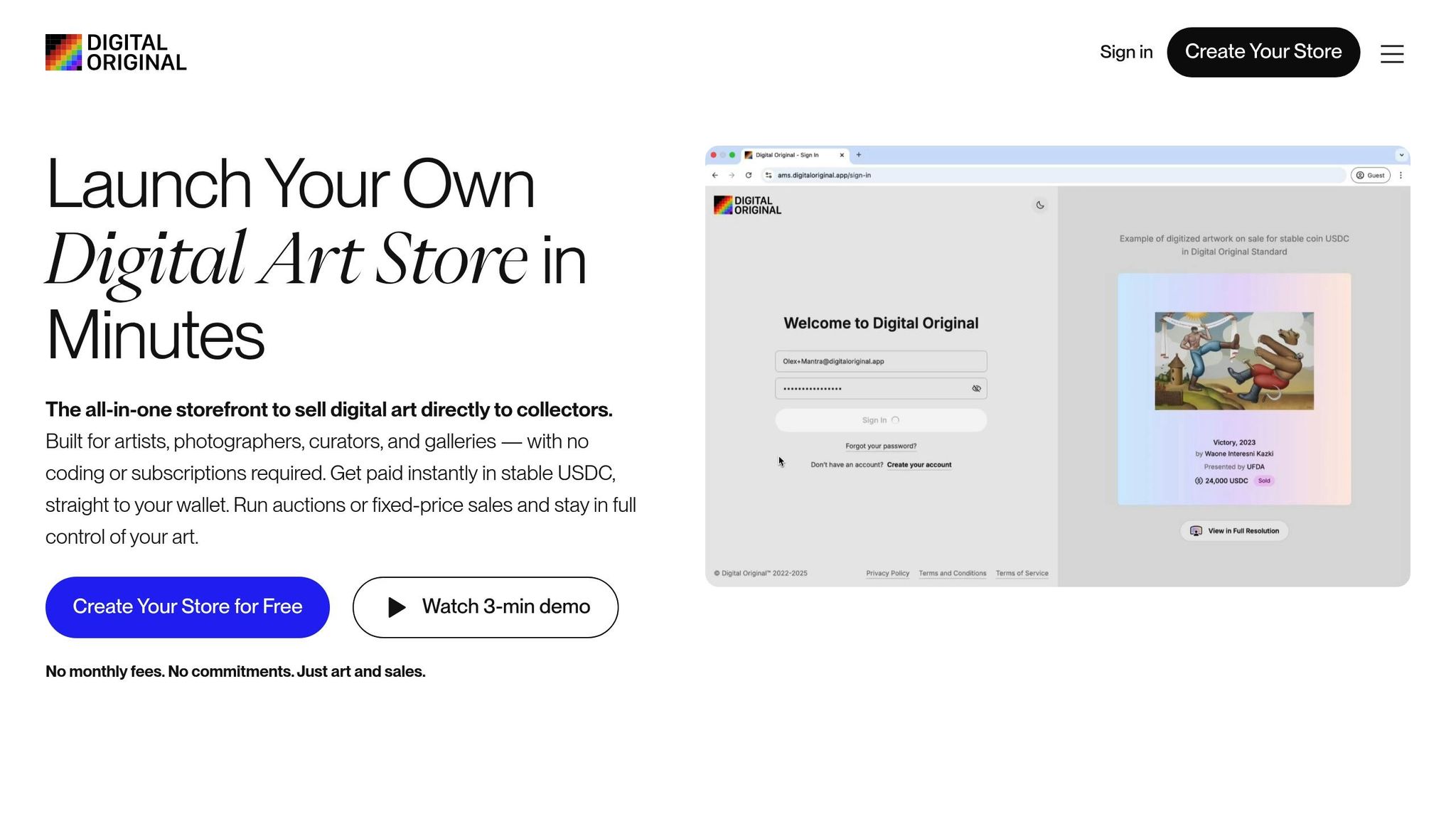
Digital Original leverages blockchain's reliability to simplify the transition for both digital and physical art markets. By addressing the challenges of managing digital and tokenized physical artworks, it provides tools that cater to various sales models, from traditional gallery setups to direct artist sales.
- Automated royalties: Smart contracts ensure recurring income streams for artists without the need for manual tracking.
- Instant USDC payouts: These payments eliminate the hassle of cryptocurrency conversion, offering stable and predictable income that fits seamlessly into existing financial systems.
- Customizable storefronts: Galleries can maintain their unique branding while accessing advanced digital market tools, a feature that appeals to traditional art institutions.
- Verified ownership: Blockchain certification guarantees authenticity, providing collectors with the confidence they need, whether they're purchasing digital-native art or tokenized physical pieces.
Digital Original bridges the gap between traditional and digital art commerce, making it easier for artists and galleries to thrive in an integrated market.
Comparing Different Integration Methods
| Integration Method | Setup Cost | Technical Complexity | Collector Accessibility | Revenue Potential |
|---|---|---|---|---|
| Direct Blockchain Sales | High | High | Limited to crypto users | High (no platform fees) |
| Hybrid Gallery Models | Medium | Medium | Broad appeal | Medium (shared revenue) |
| Digital Art Platforms | Low to Free | Low | Broad reach | High (automated systems) |
- Direct blockchain sales give artists maximum control but come with high setup costs and technical demands. These sales are generally limited to crypto-savvy collectors.
- Hybrid gallery models combine the reliability of traditional galleries with the adaptability of digital tools, attracting a broader audience. They work well for established galleries with existing collector networks.
- Digital art solutions, like Digital Original, offer the easiest entry point. With minimal upfront costs and performance-based fees, they align their success with the success of artists. This makes them an attractive option for creators exploring digital markets.
The blend of traditional credibility and modern tools is drawing a more diverse group of collectors into the integrated art space. The right platform can determine whether this transition simplifies or complicates your art business.
Conclusion: The Future of Connected Art Markets
The digital and traditional art worlds are no longer opposing forces - they're becoming partners in a shared journey. Thanks to blockchain technology, these two realms are finding common ground, offering a foundation for transparency, security, and efficiency.
What once felt like insurmountable divides are now fading. Collectors from both sides are experiencing the benefits of verified transactions, while galleries are adopting hybrid models that cater to diverse audiences without losing their core identity.
Concerns about energy usage are being addressed with more efficient blockchain solutions, and technical hurdles are being minimized by user-friendly platforms. These advancements pave the way for a future where art businesses can thrive by bridging the gap between digital and traditional markets. Artists can tokenize their work, earning revenue from initial sales and ongoing royalties. Galleries that embrace this hybrid approach can expand their reach globally, while collectors gain access to fractional ownership and valuable insights powered by data.
This transformation is already in motion, with blockchain integration driving adoption across the art world. The result? A more inclusive, transparent, and lucrative ecosystem where digital and traditional markets complement each other. By blending the strengths of both, the art world can unlock opportunities that neither market could achieve on its own. It’s not about choosing sides - it’s about creating something greater together.
FAQs
How does blockchain technology ensure transparency and authenticity in the art market?
Blockchain technology offers a reliable and tamper-resistant way to track the history and ownership of artworks. Every transaction or transfer is recorded permanently, creating a clear and verifiable timeline for both digital and physical art pieces.
This system significantly curbs fraud by serving as a digital certificate of authenticity, enabling collectors to verify an artwork’s origin and ownership with ease. By tackling concerns around trust and transparency, blockchain strengthens the art market’s integrity and enhances its appeal.
What are the advantages of hybrid gallery models for artists and collectors in today’s art market?
Hybrid gallery models bring flexibility and convenience to the art world, benefiting both artists and collectors in meaningful ways. For artists, these models help cut down on overhead costs and streamline logistics, freeing up more time and resources for their creative process. Plus, with the ability to showcase their work online while still maintaining a physical presence, artists can connect with broader audiences, boosting their visibility and sales opportunities.
For collectors, hybrid galleries offer a blend of digital and in-person experiences, making it easier to explore and purchase art. Whether browsing online or visiting a gallery in person, collectors gain access to a wider range of artworks, all while navigating a more dynamic and credible art market. By merging digital innovation with traditional gallery elements, hybrid models create a more accessible and engaging space for everyone in the art community.
How can artists and collectors protect the security and authenticity of tokenized art?
Artists and collectors can rely on blockchain technology to protect the security and integrity of tokenized artworks. Blockchain serves as a permanent and transparent ledger, documenting ownership and provenance in a way that's tamper-proof and resistant to forgery.
When artists tokenize their creations using blockchain, they establish an unchangeable record of ownership history. Collectors, in turn, benefit from this system by gaining confidence in the authenticity and value of their acquisitions. This approach not only safeguards digital assets but also builds trust in the rapidly changing art market.


